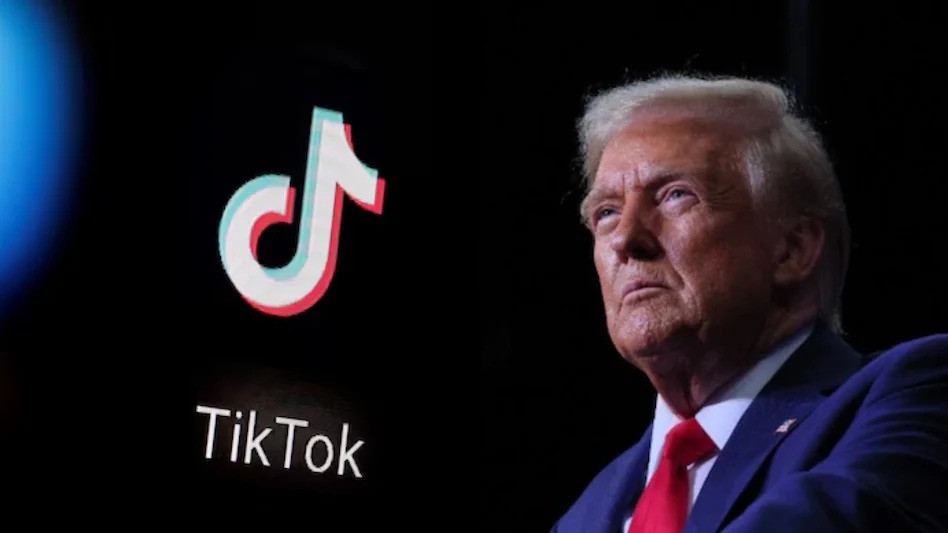
In a legal document filed on Friday, U.S. President-elect Donald Trump urged the Supreme Court to delay the enforcement of a law mandating the removal of TikTok from app stores, citing the need for a negotiated solution. The appeal seeks to address national security concerns without immediately banning one of the most popular social media platforms in the United States.
The filing, submitted by John Sauer, whom Trump nominated for the position of Solicitor General, outlines Trump’s opposition to an immediate ban. It emphasizes his intent to resolve the issue through diplomatic and political means once he assumes office. Trump, known for his negotiation skills, has expressed a willingness to strike a balanced agreement that addresses security concerns while preserving the platform’s operations.
This development follows the April enactment of a law by President Joe Biden, giving ByteDance, TikTok’s parent company, 270 days to divest the app or face removal from app stores managed by Apple and Google. The law has been criticized for its national security claims, which TikTok and its advocates describe as unfounded.
TikTok has been at the center of legal and political battles since the law’s announcement. In May, TikTok sued the U.S. government to block the ban, arguing that it violated constitutional rights. However, the U.S. Court of Appeals in Washington, D.C., dismissed the company’s claims in early December, leaving the app’s future uncertain. On December 16, ByteDance and TikTok filed an emergency appeal to the Supreme Court to pause the law, arguing that enforcing it would suppress free speech and disrupt communication for millions of Americans, especially on the eve of a presidential inauguration.
Trump’s comments during a Turning Point USA event in Phoenix, Arizona, add a nuanced perspective to the debate. He acknowledged TikTok’s potential role in engaging voters during the presidential election and hinted at the possibility of allowing the platform to remain operational “for a little while.” This statement has sparked speculation about Trump’s strategic interest in negotiating a compromise that satisfies both political and public interests.
The Supreme Court has since agreed to review TikTok’s appeal. The platform’s legal representatives argue that a ban would unjustly silence a significant avenue for political, cultural, and commercial expression. Meanwhile, critics of the law point out the potential precedent it could set for restricting speech on other digital platforms.
As the Supreme Court prepares to hear the case, Trump’s appeal for a delay underscores his intent to approach the issue with negotiation rather than outright prohibition. With his history of deal-making, Trump aims to craft a resolution that addresses security concerns without alienating the millions of users who rely on TikTok for communication and expression.
The outcome of these proceedings could have far-reaching implications for the relationship between government oversight, digital platforms, and freedom of speech in the United States.