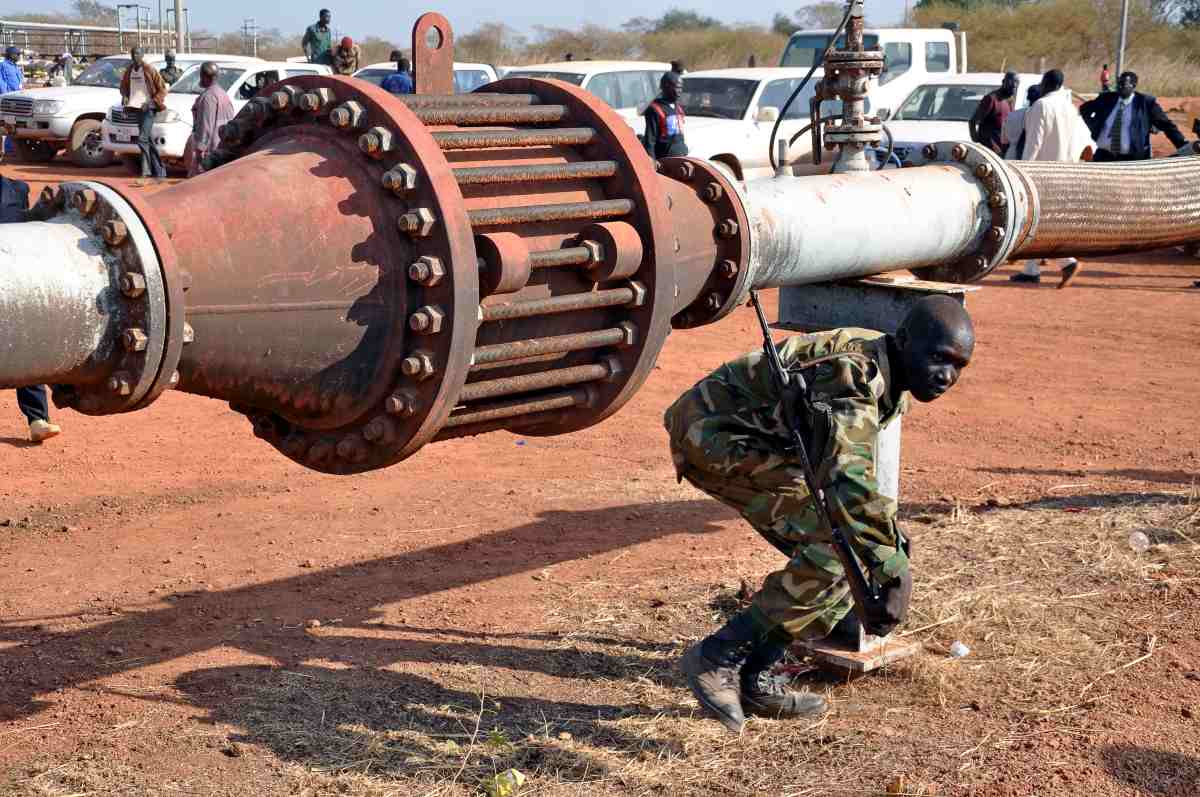
Sudan is plunging into a severe energy crisis as its oil production and refining infrastructure collapse under the strain of prolonged conflict. More than two years of fighting have forced the complete shutdown of major oil fields and refineries. This has crippled the nation’s domestic fuel supply, forcing a costly and unreliable dependence on imports. The crisis is devastating government revenue and leaving ordinary Sudanese struggling to find essential fuels like diesel, gasoline, and cooking gas.
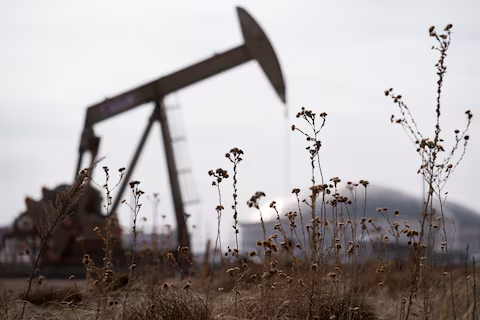
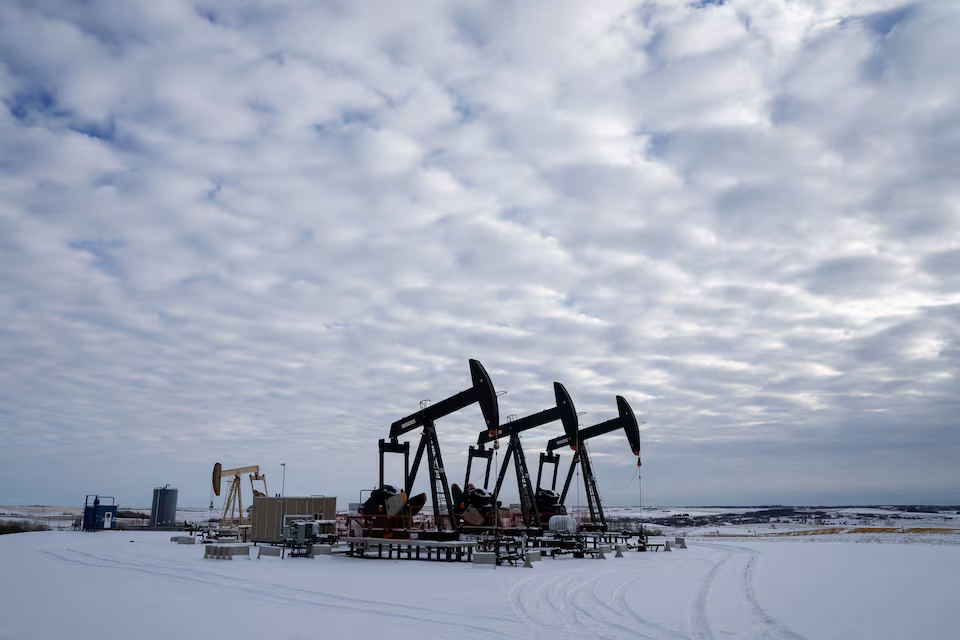
The Heglig oil field, Sudan’s largest, halted all operations in December. Staff were evacuated amid escalating violence, severing a critical source of crude oil. Concurrently, attacks have damaged key pipelines, storage depots in Port Sudan, and refining facilities. The country’s largest refinery, near Khartoum, remains completely shut down. This facility once supplied most of Sudan’s domestic fuel needs. Its paralysis is at the heart of the escalating energy crisis, exposing the fragile foundation of the nation’s economy.
The Collapse of Production and Refining Capacity
The shutdown of the Heglig field represents a catastrophic blow. It was the cornerstone of Sudan’s oil sector, and its inactivity drastically reduces crude output. However, the damage extends beyond extraction. The systematic targeting of energy infrastructure has made distribution and processing impossible. Pipelines are damaged, and storage tanks have been attacked, creating a domino effect of failure across the supply chain.
The Khartoum refinery’s closure is particularly devastating. Refining capacity cannot be easily replaced, especially during a war. Without it, Sudan must import all refined petroleum products. This is exceptionally difficult given the conflict’s disruption of regional supply chains and the nation’s depleted foreign currency reserves. The resulting energy crisis means fuel is either unavailable or prohibitively expensive for most citizens, paralyzing transportation and commerce.
Economic Impact and Government Revenue Crash
The financial consequences are dire. Sudan’s finance ministry reports oil revenues have fallen by more than 50% compared to pre-conflict levels. Oil was a primary source of government income, funding public services and imports. This drastic shortfall exacerbates the broader economic collapse, limiting the state’s ability to provide even basic functions. The energy crisis is therefore both a cause and a symptom of the nation’s fiscal disintegration.
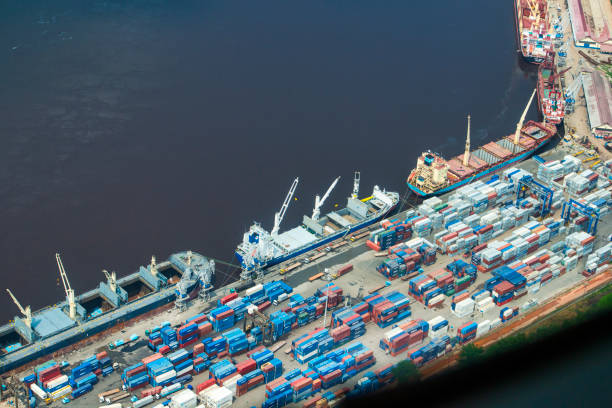
Reliance on imported fuel drains scarce foreign currency. Every dollar spent on buying diesel or gasoline abroad is unavailable for food or medicine. This creates a vicious cycle: the war destroys domestic capacity, forcing expensive imports that further bankrupt the state, making recovery even more distant. Industry experts warn the situation is creating a severe, persistent shortage that will continue to deepen as long as infrastructure remains damaged and insecure.
Humanitarian Consequences for Ordinary Sudanese
The human cost of the energy crisis is immense. Long queues for fuel are commonplace where supplies exist. Transportation costs have skyrocketed, increasing the price of all goods. Hospitals and essential services struggle to operate generators without reliable diesel. The lack of liquefied petroleum gas (cooking gas) forces families to use unhealthy alternatives like charcoal, if they can find it, further compounding a public health disaster.
This crisis underscores how modern conflict destroys societies systemically. Beyond direct violence, the collapse of critical infrastructure like energy networks makes daily life untenable. The energy crisis in Sudan is not a secondary issue; it is a primary driver of humanitarian suffering, food insecurity, and economic paralysis. It threatens to push an already devastated population into even deeper despair.
Long-Term Implications and the Path to Recovery
The long-term damage to Sudan’s oil sector could be permanent if the conflict continues. Infrastructure left unrepaired deteriorates. Technical expertise flees the country. Restoring production at fields like Heglig will require massive investment and years of work once security is established. The crisis demonstrates how war eviscerates the foundational industries needed for post-conflict reconstruction.
A sustainable solution requires, first and foremost, a cessation of hostilities. Only with a credible ceasefire can damage assessments and repairs begin. International support will be essential to finance and technically assist in rebuilding the gutted energy infrastructure. Until then, the energy crisis will continue to strangle Sudan’s economy and intensify the suffering of its people, making the conflict’s resolution ever more urgent.