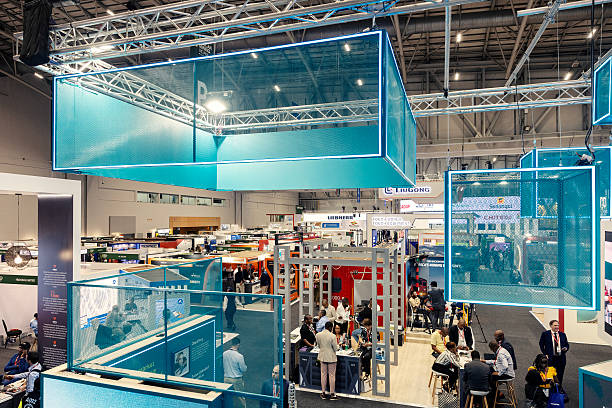
The Central African economy is shaped by resource-rich nations with growing populations and expanding trade networks. Among the most influential economies in the region are the Democratic Republic of Congo, Angola, and Cameroon. These three countries play a major role in Central Africa’s economic output due to their natural resources, strategic ports, and regional trade influence.
While each country has unique strengths, they share similar challenges, including infrastructure gaps, governance issues, and heavy reliance on commodities. Understanding the Central African economy requires a closer look at how DRC, Angola, and Cameroon contribute to regional growth.
Democratic Republic of Congo: Mining Powerhouse

The Democratic Republic of the Congo is one of Africa’s most resource-rich countries. Its economy heavily depends on mining, particularly copper and cobalt. The DRC supplies a significant share of the world’s cobalt, which is essential for electric vehicle batteries and renewable energy technologies.
Mining contributes the largest portion of export earnings. Major copper mining operations are concentrated in the southeastern region, particularly in Katanga Province. Global demand for battery minerals has positioned the DRC as a critical player in the global energy transition.
Despite its mineral wealth, the DRC faces economic instability. Infrastructure limitations, political uncertainty, and security challenges affect investment confidence. However, ongoing reforms and infrastructure projects aim to diversify the economy beyond mining.
Agriculture also holds strong potential. With vast arable land and abundant water resources from the Congo River Basin, the country could become a regional food producer if productivity improves.
Angola: Oil-Driven Growth and Diversification
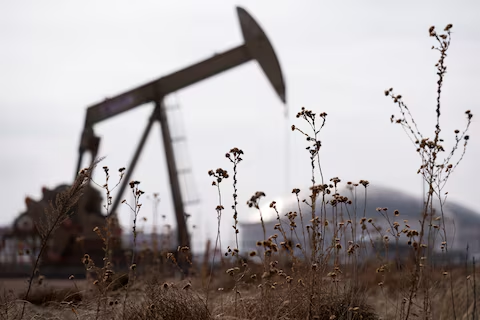
Angola is the second-largest oil producer in Sub-Saharan Africa. Oil exports dominate its economy, accounting for most government revenue and foreign exchange earnings. Offshore oil fields along Angola’s Atlantic coastline drive economic activity, especially around Luanda.
Oil price fluctuations significantly impact Angola’s fiscal stability. When global oil prices rise, the economy expands. However, downturns create budget deficits and debt pressure.
Recognizing this risk, Angola has launched diversification initiatives. The government promotes agriculture, fisheries, tourism, and manufacturing to reduce oil dependency. Infrastructure investments, including roads and port expansions, aim to boost trade and domestic production.
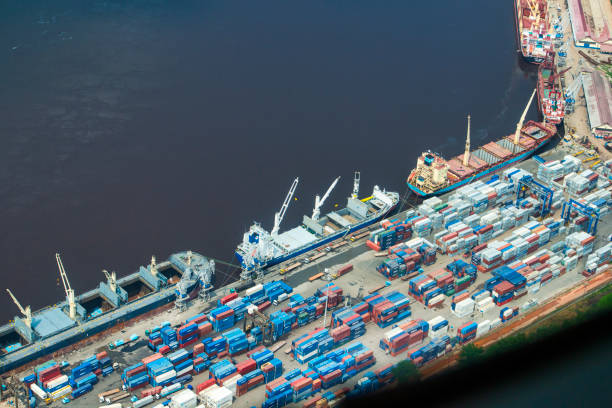
Angola also benefits from strategic geographic positioning along the Atlantic Ocean, which supports maritime trade. Port development in Luanda and Lobito enhances its role as a gateway for regional exports.
Although economic reforms have improved transparency and investor confidence, Angola continues to manage public debt and inflation challenges.
Cameroon: Diversified Regional Hub
Cameroon has one of the most diversified economies in Central Africa. Unlike the DRC and Angola, Cameroon does not rely solely on one resource. Its economy includes agriculture, oil, timber, and manufacturing.
Agriculture remains a cornerstone. Cocoa, coffee, bananas, and cotton contribute significantly to exports. Cameroon is among Africa’s top cocoa producers, supplying global chocolate markets.
Oil production supports government revenue but does not dominate the economy as heavily as in Angola. Additionally, Cameroon has developed light manufacturing and services sectors, which help stabilize growth.
The Port of Douala serves as a major trade gateway for landlocked Central African countries such as Chad and the Central African Republic. This strategic advantage strengthens Cameroon’s regional influence.
However, the country faces structural challenges, including youth unemployment, infrastructure gaps, and security issues in certain regions. Continued investment in industrialization and logistics will be key to sustaining growth.
Comparative Economic Strengths
When analyzing the Central African economy, each of these countries offers unique strengths:
- The DRC leads in critical minerals essential for global energy markets.
- Angola dominates in oil production and maritime trade.
- Cameroon provides diversification and regional trade connectivity.
Together, they contribute significantly to Central Africa’s GDP and trade flows.
Key Challenges Facing the Central African Economy
Despite resource wealth, the region struggles with several structural obstacles:
Infrastructure Deficits
Transport networks, electricity supply, and logistics systems require modernization to unlock full economic potential.
Commodity Dependence
Heavy reliance on minerals and oil exposes these economies to global price volatility.
Governance and Stability
Political uncertainty and governance concerns can deter foreign investment.
Debt and Fiscal Management
Managing public debt while financing development projects remains a delicate balance.
Opportunities for Growth
The Central African economy holds immense potential if reforms and diversification strategies continue.
Regional Integration
Stronger cooperation within the Economic Community of Central African States can enhance trade and investment.
Renewable Energy and Mining
Global demand for battery minerals benefits the DRC, while Angola explores renewable energy investments.
Agricultural Expansion
Cameroon and the DRC have vast agricultural potential that can strengthen food security and exports.
Infrastructure Development
Port upgrades, rail networks, and energy projects can stimulate economic transformation.
The Future Outlook
The future of the Central African economy depends on diversification, governance improvements, and infrastructure investment. Global shifts toward renewable energy create new opportunities for mineral-rich countries like the DRC. Angola’s reform agenda signals commitment to sustainable growth beyond oil. Cameroon’s diversified structure provides resilience compared to more commodity-dependent neighbors.
If these countries successfully address structural weaknesses, they could transform Central Africa into a stronger economic bloc within the continent.
Conclusion
The Central African economy is shaped by the dynamic contributions of the Democratic Republic of Congo, Angola, and Cameroon. Each country plays a strategic role in mining, oil production, agriculture, and regional trade. While challenges remain, economic reforms, diversification strategies, and infrastructure investments provide a path toward sustainable growth.
As global markets evolve, these nations will remain central to Africa’s economic narrative and the broader international supply chain.