Zimbabwe Quietly Shuts Down as Citizens Avoid Streets Amid Protests Against President Mnangagwa
Zimbabwean cities ground to a halt on Monday as calls for nationwide protests against President Emmerson Mnangagwa resulted instead in a widespread shutdown. Citizens stayed indoors, businesses remained closed, and public transport dwindled amid fears of violence and a suffocating security presence.
The planned protests—led by discontented war veterans like activist Blessed Geza—sought to pressure Mnangagwa to resign amid accusations of corruption and rumored ambitions to extend his presidential term beyond the 2028 constitutional limit.
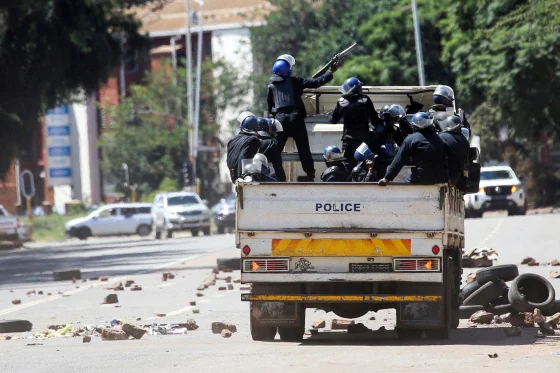
Despite the high-stakes rhetoric and social media momentum, only a handful of protesters took to the streets in the capital, Harare. They were quickly dispersed by police, who used teargas at President Robert Mugabe Square, and carried out sweeping patrols and roadblocks throughout the city.
“Don’t Be Cowards”
After witnessing low turnout, Geza urged citizens “not to be cowards” in a post on X. A known critic of Mnangagwa and former Zanu-PF insider, Geza has publicly called for Vice-President Constantine Chiwenga to take over the presidency—though Chiwenga has not commented on the matter.
Among the few protesters who braved the crackdown, one woman in her 60s told local media: “I’m taking care of my grandchildren because my children can’t afford to. We want General Chiwenga to take over.”
In videos circulated online, protesters accused the state of suppressing peaceful demonstrations. One woman vowed, “We’re not going anywhere—we’re staying right here.”
Shops Shuttered, Streets Silent
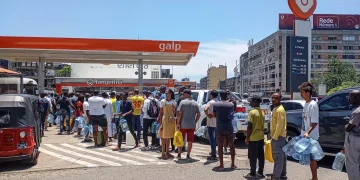
Across major cities, businesses remained closed and roads eerily empty. Schools were shut, and vendors, usually the lifeblood of Zimbabwe’s informal economy, vanished from their usual street corners. Even fuel stations operated quietly, with attendants warning of rising tension.
A Harare petrol worker whispered to the BBC, “People don’t want civil war. But they also don’t see a future with this government.”
A Nation on Edge Over 2030 Ambitions
While Mnangagwa has publicly stated he will leave office in 2028, growing concerns have emerged over his allies’ use of the slogan, “2030 he will still be the leader”—stoking fears of constitutional overreach.
Critics say the president may be laying the groundwork to extend his time in power, despite the country’s two-term limit. The government has dismissed such claims, but trust remains low among ordinary Zimbabweans and political observers.
A Political Statement in Silence
Despite the failed protest turnout, political analyst Ibbo Mandaza argued the shutdown itself was a powerful act of resistance. “This was a massive political statement. The silence spoke volumes.”
Government spokespersons, meanwhile, downplayed the events, insisting social media had exaggerated the situation. Zanu-PF loyalist Farai Murapira said, “This wasn’t a real protest. It was just noise online.”
Still, the clergy and civil groups have urged calm, warning that any unrest could further destabilize a nation already battling economic hardship, currency collapse, and mass youth unemployment.
As the succession debate heats up and the opposition regroups, many in Zimbabwe are watching closely—not with banners and slogans, but from behind shuttered doors, hoping change won’t come at the cost of peace.