Nigeria Says No to U.S. Deportee Plan, Rejects Pressure to Host Venezuelan Prisoners
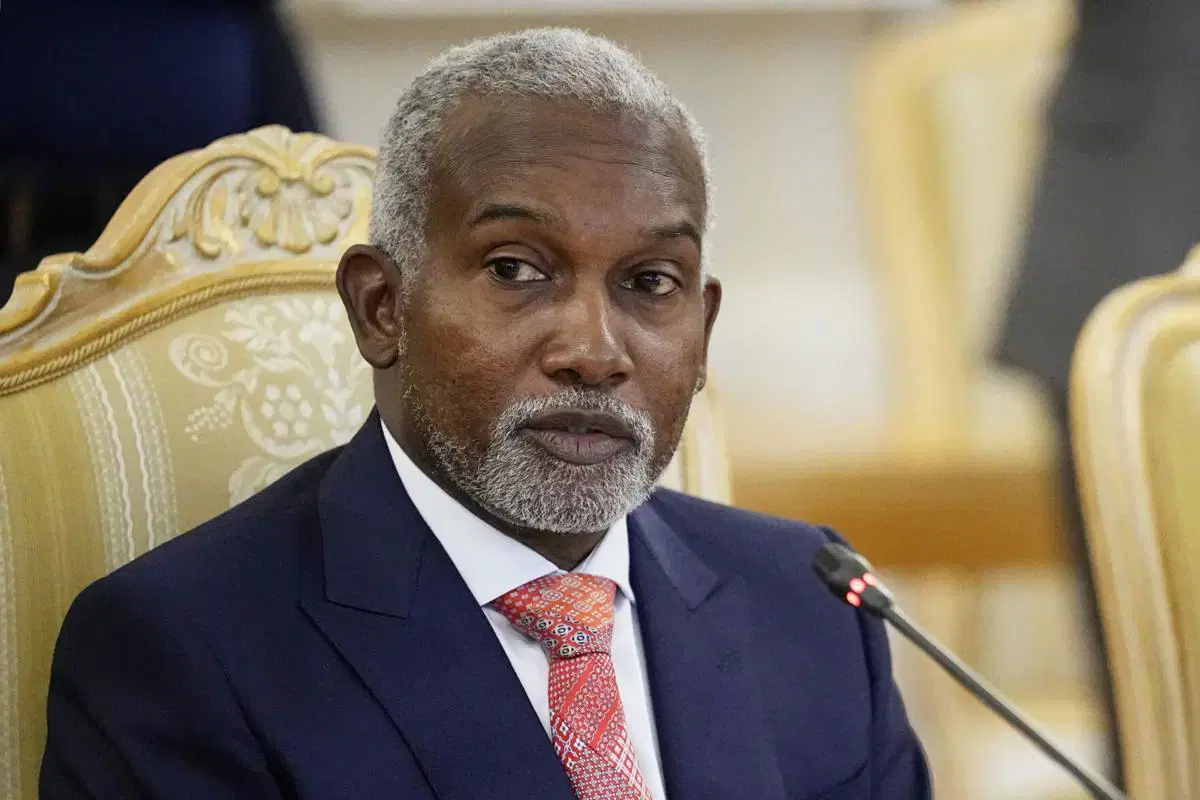
Nigeria’s foreign minister Yusuf Tuggar has firmly rejected attempts by the Trump administration to pressure the country into accepting Venezuelan deportees, including prisoners, as part of a broader immigration and trade policy dispute between the U.S. and African nations.
Speaking to Channels TV, Tuggar said, “We already have over 230 million people. We cannot be expected to absorb deportees from other continents.” He dismissed the proposal as unfair and said accepting 300 Venezuelans from U.S. prisons would worsen Nigeria’s existing socio-economic challenges.
Diplomatic Strains Over Deportation and Visas
Tuggar’s comments come on the heels of new U.S. visa restrictions targeting Nigerians, Cameroonians, and Ethiopians. Under the revised policy, most non-immigrant and non-diplomatic U.S. visas for these nationals are now limited to a single entry and valid for just three months.
U.S. officials claim this is part of a “global reciprocity realignment,” but many African leaders, including those in Nigeria, see it as a coercive tactic to force compliance on immigration cooperation — particularly with countries refusing to accept back deported nationals.
Nigeria Not Backing Down Despite BRICS Ties
Although Nigeria is not a full BRICS member, it became the alliance’s ninth partner country in January 2025. The Trump administration has warned of a 10% tariff hike on countries aligning with BRICS policies that challenge U.S. interests.
Tuggar downplayed the BRICS link to the U.S. pressure campaign, stating, “This doesn’t necessarily have to do with us participating in BRICS… The U.S. is just pushing African nations to take in deportees from Venezuela, many of them coming straight out of prison.”
Not Just Nigeria
Reports by the Wall Street Journal indicate similar pressure is being applied to Liberia, Senegal, Mauritania, Gabon, and Guinea-Bissau. During a recent White House meeting, Trump said he wanted to “bring down visa overstay rates” and pursue more third-country agreements to shift U.S. immigration responsibilities abroad.
Liberia’s foreign minister has denied receiving such a proposal, but diplomatic observers say the push represents a broader strategy by the Trump administration to offload deportees to African countries.
What’s at Stake for Nigeria?
Tuggar emphasized that Nigeria is open to doing deals with the U.S., especially around its vast gas reserves and rare earth minerals, which are vital to American tech manufacturing. However, he made it clear that any deal would not involve hosting foreign prisoners.
“We’re already facing our own internal challenges. We cannot, for crying out loud, be expected to carry another country’s burden of criminal deportees,” he concluded.