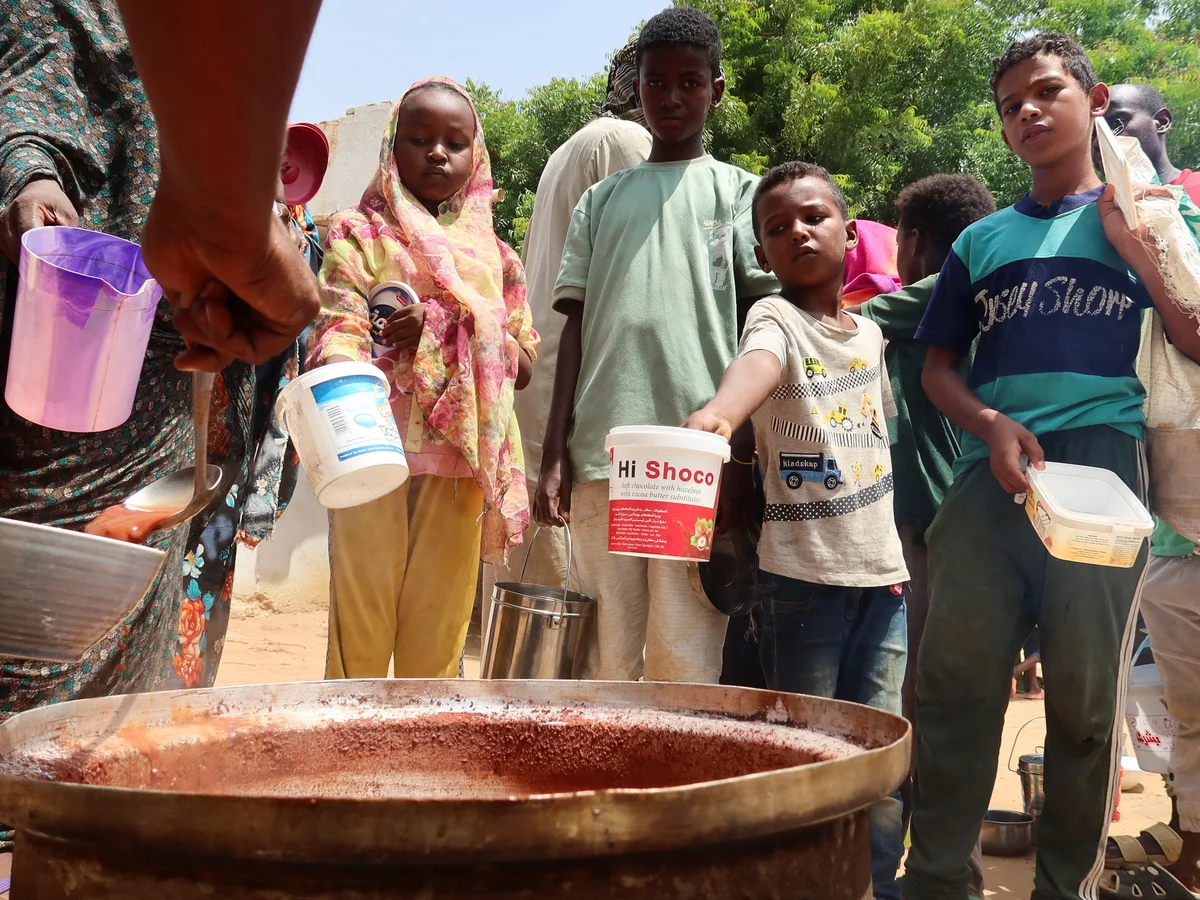
The Sudan food security situation is set for a major boost after a fresh $87 million funding approval aimed at tackling hunger, conflict pressures, and climate shocks across the country.
The African Development Bank Group has stepped in with urgent support to strengthen food production and revive rural livelihoods. The funding comes at a critical time when millions of Sudanese face worsening food shortages and economic instability.
Sudan food security project targets vulnerable regions
The Sudan food security initiative, known as the Boosting Agrifood Systems Resilience Project, focuses on key agricultural areas such as Blue Nile, Sennar, and Kassala. These regions remain central to national food supply but continue to host large populations displaced by conflict.
Through this project, farmers will receive improved seeds and access to climate-smart technologies. These measures aim to increase productivity while reducing dependence on food imports.
Efforts will also improve storage, processing, and market access. As a result, farmers can reduce post-harvest losses and earn more stable incomes.
Sudan food security plan empowers women and youth
A major part of the Sudan food security strategy focuses on empowering women and young people. The project will provide access to finance, digital tools, and skills training to help them build agribusinesses.
This approach is expected to create new income streams while strengthening local economies. It also positions agriculture as a sustainable path for employment and entrepreneurship.
More than 1.2 million people are expected to benefit, including over 232,000 farming households. Many of these beneficiaries are women and youth who face limited economic opportunities.
Sudan food security funding drives jobs and recovery
The Sudan food security investment is projected to generate tens of thousands of jobs. Both direct and indirect employment opportunities will emerge across farming, processing, and distribution sectors.
This job creation will support economic recovery in fragile communities. It will also help families achieve more stable livelihoods during ongoing crises.
The funding model itself reflects urgency. The African Development Bank redirected unused resources from earlier projects, allowing faster deployment to critical needs.
Sudan food security efforts build long-term resilience
Beyond immediate relief, the food security project aims to build long-term resilience. By strengthening agricultural systems, the initiative prepares communities to withstand future climate shocks and economic disruptions.
Improved access to food will reduce vulnerability, while stronger agribusiness ecosystems will drive sustainable growth.
Officials say the investment offers more than short-term aid. It creates a pathway toward self-reliance, helping communities rebuild and thrive despite ongoing challenges.
The food security crisis remains severe, but this $87 million intervention marks a significant step forward. By supporting farmers, empowering youth, and boosting production, the initiative lays the foundation for recovery.
If implemented effectively, the project could transform livelihoods, stabilize food supply, and restore hope for millions across Sudan.