Two Liverpool rappers, Abdifatah Gulaid and Noah Ihiekwe, are facing potential legal action after being seen participating in an armed clan conflict in Somalia earlier this year. The rappers, who go by the stage names Still Brickin’ and Rayzer, were reportedly involved in activities in north-eastern Somalia, where tensions between local clans have led to violent confrontations.
The Controversial Visit to Somalia
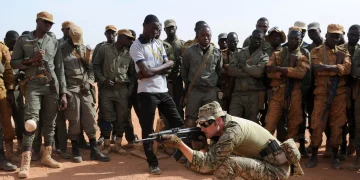
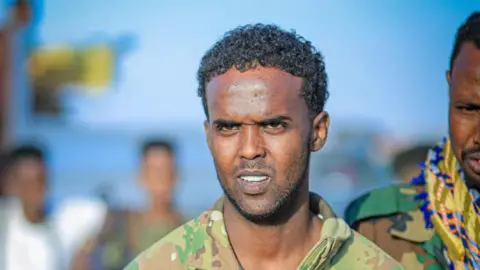
In February 2025, Gulaid and Ihiekwe, both from Liverpool’s Toxteth area, were spotted in Sanaag, a region claimed by both Somaliland and Puntland. Videos show the pair wearing combat gear and carrying assault rifles while interacting with local Puntland troops. In one video, Gulaid, known for his drill music, tells the armed soldiers, “The time for talk is finished,” suggesting an active role in the conflict.
The visit, which occurred amid clan clashes over territorial disputes, has drawn significant attention due to the rappers’ involvement with armed groups. It’s unclear how deeply they were involved in the violence, but their appearance with armed groups has raised concerns, especially given the UK government’s stance on Britons engaging in conflicts abroad.
Past Arrest and Current Investigation
The two men had been detained earlier in the year in Thailand during a drug raid, where authorities seized cannabis and nitrous oxide canisters, although they were released without charge. Their subsequent travel to Somalia has sparked a formal investigation by UK police. The government has stated that any Britons returning from conflict zones should expect to be questioned upon re-entry to the UK.
Clan Conflicts in Somalia
The conflict in the Sanaag region is rooted in clan politics, with the Warsangeli clan, to which Gulaid belongs, engaging in disputes with the Isaaq clan. These tensions have led to periodic violence over the years, with both clans vying for control over resources and strategic locations. The situation remains volatile, and the involvement of diaspora individuals like Gulaid and Ihiekwe highlights the complex dynamics of clan-related conflicts.
What’s Next for the Rappers?
While it remains to be seen whether Gulaid and Ihiekwe will face charges, their actions have ignited debates about the role of the diaspora in Somalia’s internal conflicts. Experts argue that the connection between the Somali diaspora and their homeland is strong, often drawing individuals back to participate in these complex clan struggles.
The investigation is ongoing, and the rappers’ return to the UK could bring more clarity about their involvement in the conflict. If questioned, they could face legal repercussions depending on the nature of their activities in Somalia.