Burkina Faso homosexuality law passed unanimously
The Burkina Faso homosexuality law marks a significant legal shift in the Sahel nation. On Monday, the unelected transitional parliament unanimously passed a bill outlawing homosexual acts, imposing prison terms of two to five years along with fines. Justice Minister Edasso Rodrigue Bayala announced that foreign nationals convicted under the new law would also face deportation.
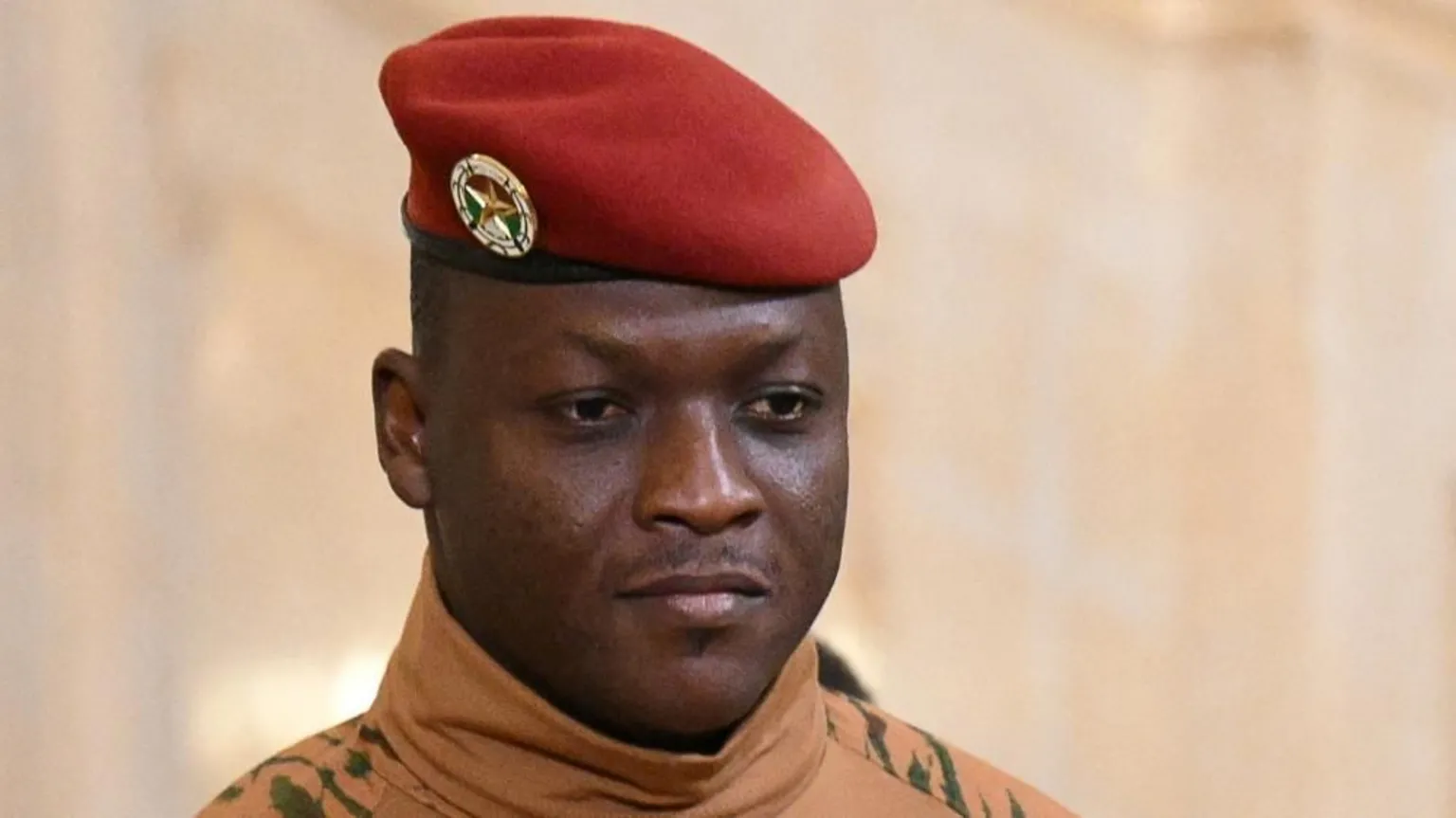
The legislation now awaits the signature of Capt Ibrahim Traoré, who seized power in 2022 after ousting Lt Col Paul-Henri Damiba. Once signed, it will officially align Burkina Faso with a growing number of African nations criminalising same-sex relationships.
Historical and regional context
Burkina Faso had previously stood out as one of only 22 African countries where same-sex relations were legal. Unlike many former British colonies, it did not inherit anti-homosexuality laws after independence from France in 1960.
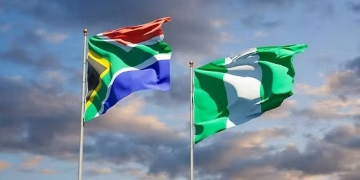
The move comes amid a wave of anti-LGBT legislation across the continent. Mali, a junta-led neighbour and ally of Burkina Faso, recently passed its own anti-homosexuality law. Ghana’s parliament also approved a bill, though it was not signed into law. Nigeria enforces strict bans, while Uganda has gone further, imposing life sentences for consensual same-sex relations and even capital punishment for so-called “aggravated homosexuality.”
International criticism and backlash
The Burkina Faso homosexuality law adds pressure to an already tense relationship between African governments and international institutions. In recent years, the World Bank withheld funding from Uganda due to its anti-LGBT legislation, though the ban was later lifted.
Critics argue that such measures violate human rights and endanger LGBT communities. Advocacy groups warn that criminalisation not only legitimises discrimination but also drives vulnerable populations underground, limiting access to healthcare and support.
Read Also
Outlook for Burkina Faso
Burkina Faso, a deeply religious and socially conservative country, is moving closer to regional peers in its stance on same-sex relationships. While the legislation awaits Capt Traoré’s signature, its unanimous passage reflects limited political space for dissent under military rule.
The passage of the Burkina Faso homosexuality law underscores how political shifts and regional alliances are shaping cultural and legal landscapes in Africa. However, it also signals deepening divides between domestic priorities and international human rights expectations.