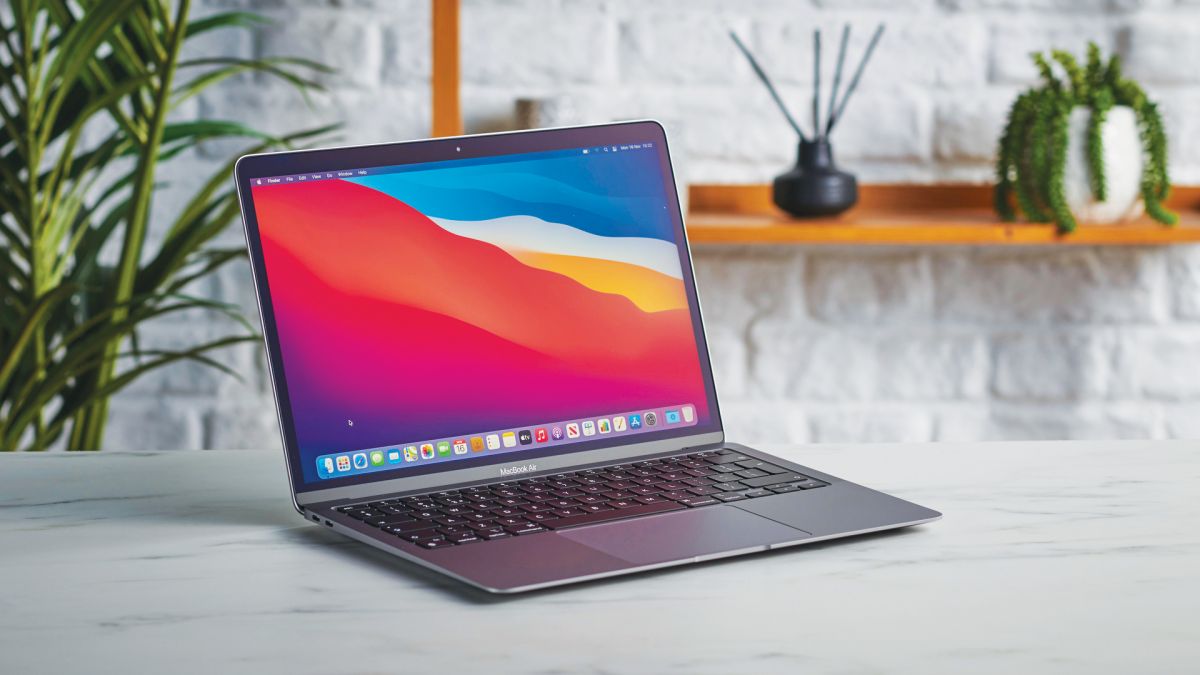
Rosetta is a dynamic binary translator developed by Apple Inc. for macOS, an application compatibility layer between different instruction set architectures. How to Install Rosetta on Mac. It enables a transition to newer hardware, by automatically translating software. The name is a reference to the Rosetta Stone, the artifact which enabled translation of Egyptian hieroglyphs.
The first version of Rosetta, introduced in 2006 in Mac OS X Tiger, was part of the Mac transition from PowerPC processors to Intel processors, allowing PowerPC applications to run on Intel-based Macs. The second version, introduced in 2020 as a component of macOS Big Sur, is part of the Mac transition from Intel processors to Apple silicon, allowing Intel applications to run on Apple silicon Macs.
Here is How to install Rosetta on Macs with Apple Silicon
To make use of Rosetta, you simply need to launch an app which requires it. If it is the first time that you have opened an app requiring Rosetta, you will be prompted to install it. To find an app that needs Rosetta, see the second part of this article, where we cover how to identify apps that need it.
- To install Rosetta, just click Install when prompted.
- When prompted, enter your username and password to give your machine the permission to install the software. Wait for the install to complete and you’re done.That’s really all there is to it. You might find it useful to check which apps needs Rosetta, either ahead of installing or afterwards out of interest, so we’ll show you how to do that now.
Check which apps will need Rosetta
- Some apps have been developed to run on Macs with an Intel processor. To check for these apps, open Finder, right-click an app icon and select Get Info.
- Look at the information next to ‘Kind’. If it says ‘Intel’ then the app will need Rosetta.
- In some cases, you may see the word ‘Universal’. This means the app will run on both Intel and Apple silicon Macs.You can choose to click Open using Rosetta if you want to make use of extensions, plug-ins or other add-ons that have not been developed to support Apple silicon.