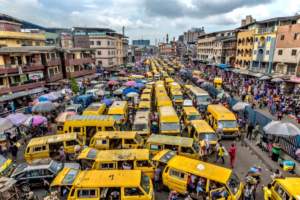
Urban public transport in Africa is undergoing a significant transformation. In response to rapid urbanization and soaring population growth, cities across the continent are reinventing their transportation systems. Once dominated by informal modes like minibuses and motorcycle taxis, African cities are now embracing formalized, sustainable solutions for public transport. Since the 2010s, the renewal of urban public transport in Africa has accelerated, marked by the rise of Bus Rapid Transit (BRT) systems, digital innovations, and environmentally-friendly electric vehicles.
A Shift Toward Modern Transport Solutions
This shift is highlighted in the chapter “The Renewal of Urban Public Transport in Africa,” co-authored by experts Yao Tsoekeo Amedokpo, Virginie Boutueil, and Jean-François Sempere. They examine how African cities are moving from informal transport to well-organized systems. Key to this transition has been the growth of BRT networks across the continent. From just one BRT system in 2008, the number has surged to seven systems in operation today.
These systems are not just growing in number; they are evolving with cutting-edge innovations. In particular, Dakar, Senegal, has pioneered the world’s first fully electric BRT, setting a precedent for other cities in Africa and beyond.
Digital and Electric Innovations Shaping the Future
Beyond the physical infrastructure of BRTs, African cities are also embracing digital technologies to streamline operations and enhance the user experience. Digital ticketing, real-time tracking, and mobile payment systems are increasingly being integrated into public transport networks, making travel more convenient and accessible. Additionally, electric buses are playing a crucial role in reducing emissions and fostering sustainability in the face of growing urban populations.
The Broader Context of Africa’s Mobility Challenges
This renewal of urban public transport in Africa is part of a broader effort to address the continent’s transport challenges, aligning with the Sustainable Development Goals (SDGs). By improving mobility, reducing traffic congestion, and promoting green solutions, African cities are taking steps toward creating sustainable, equitable urban environments. The chapter in “L’Économie africaine 2026” delves deeply into the complexities and successes of these initiatives, offering a comprehensive look at the progress made and the hurdles that remain.
A New Dawn for African Cities
As African cities continue to grow, the renewal of urban public transport is a crucial step toward ensuring sustainable development. The rise of BRT systems, along with the integration of digital and electric innovations, is reshaping the transport landscape. This transformation promises to create cleaner, more efficient, and more accessible urban mobility, setting an example for cities around the world.
For more insights, read the full analysis in the chapter on public transport in L’économie africaine 2026 here.