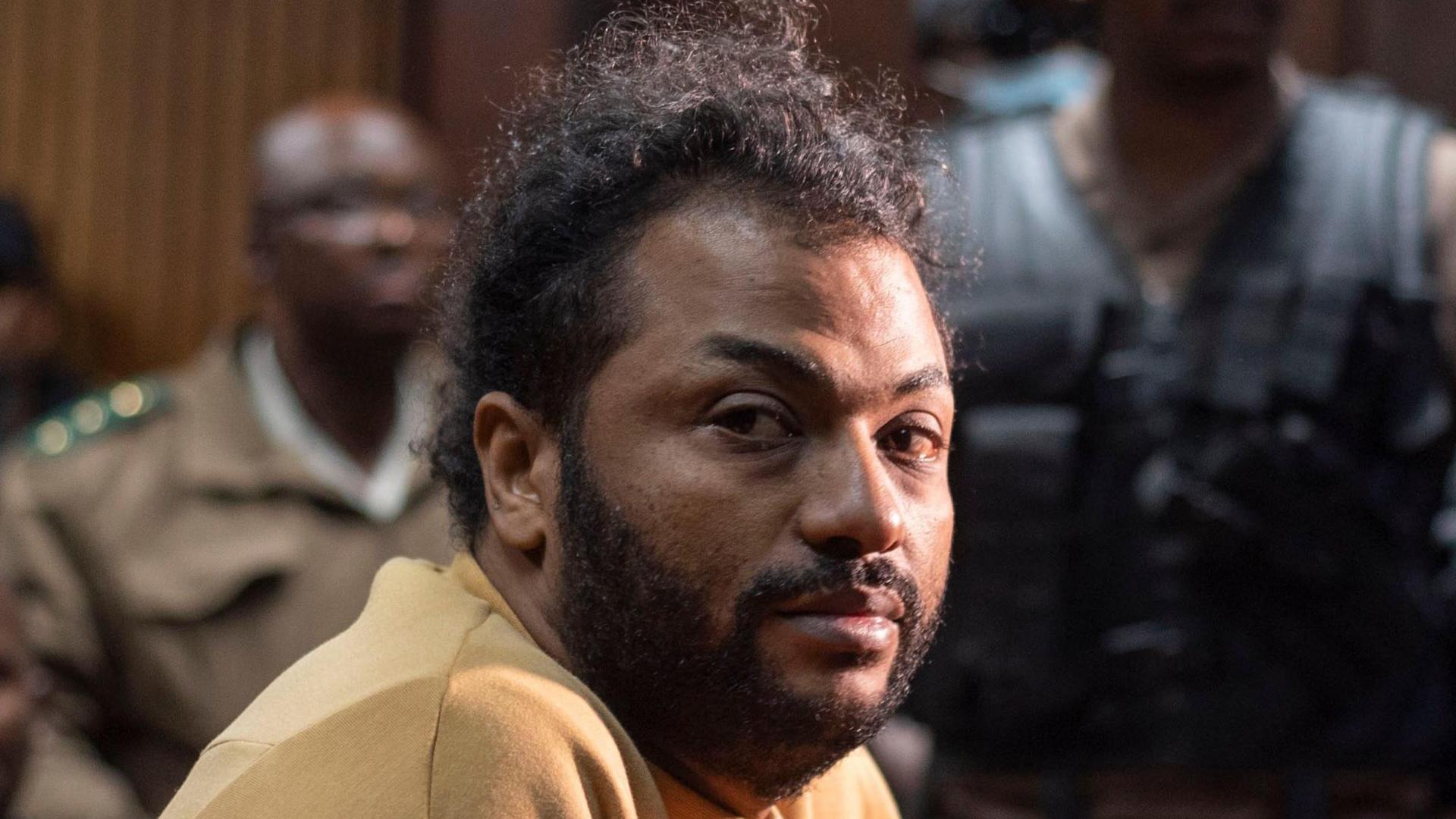
Convicted South African rapist Thabo Bester has failed in a legal attempt to prevent Netflix from airing a documentary about his life, which explores his alleged prison escape and criminal activities. The streaming platform plans to release the three-part series Beauty and the Bester on Friday, despite objections from Bester and his partner, celebrity doctor Nandipha Magudumana, who allegedly assisted in his escape.
Bester, notorious as the “Facebook rapist” for luring victims online, was convicted in 2012 for the rape and murder of his girlfriend Nomfundo Tyhulu and, a year earlier, for raping and robbing two other women. At the time of his escape in 2022, he was serving a life sentence in a maximum-security prison. Authorities initially believed a charred body discovered in a prison fire was Bester’s, but it was later confirmed to be another person. Bester remained undetected for a year, reportedly living under an alias in Johannesburg with the support of Magudumana.
Both Bester and Magudumana were arrested in Tanzania in April 2023 and deported back to South Africa. They are currently in custody, facing charges including violating a corpse, fraud, and obstructing justice. They have not yet entered pleas. The pair filed a court petition claiming that the documentary would interfere with their right to a fair trial.
In a ruling, Judge Sulet Potterill dismissed the petition, describing it as a “self-created urgency” and noting that the applicants had ample time to act sooner. The judge clarified that while a defamation claim could still be pursued, the documentary’s broadcast would not impede a fair trial. “I cannot find in any way that the screening of the utterances they find to make the doctor guilty affects her right to a fair trial,” the judgment stated.
Netflix defended its project, emphasizing its investigative focus. The series features accounts from Magudumana and examines Bester’s criminal history, including the prison fire and subsequent escape. Media and public interest in the case remains high, highlighting South Africa’s ongoing struggle with high-profile criminal cases and their broader social implications.
The case has drawn significant attention both locally and internationally, underlining tensions between freedom of press, public interest, and defendants’ legal rights. The documentary is now expected to reach global audiences, shedding light on one of South Africa’s most infamous criminal cases in recent history.