A Dangerous New Precedent
A US-brokered peace deal between the Democratic Republic of Congo (DRC) and Rwanda, signed in June 2025, commits both countries to a worrying tradeoff: mineral access in exchange for vague security guarantees from a global superpower.
While the deal promises to end decades of conflict, it hinges on U.S. investment in regional mineral chains in return for unspecified military oversight—a formula that could erode sovereignty while failing to deliver lasting peace or development.
The Anatomy of the Deal
A central pillar of the agreement is a commitment by the DRC and Rwanda to economic integration and formalized mineral supply chains under a U.S.-led framework. American investors are promised privileged access to critical minerals, while a joint oversight committee involving the African Union, Qatar, and the U.S. is tasked with resolving bilateral disputes.
But here’s the problem: there are no clear or binding U.S. security guarantees, just ambiguous promises. This opens the door to a resources-for-security model—an updated version of resource bartering once popularized by China and Russia in Africa.
Why It Sounds Familiar: The Resource Barter Trap
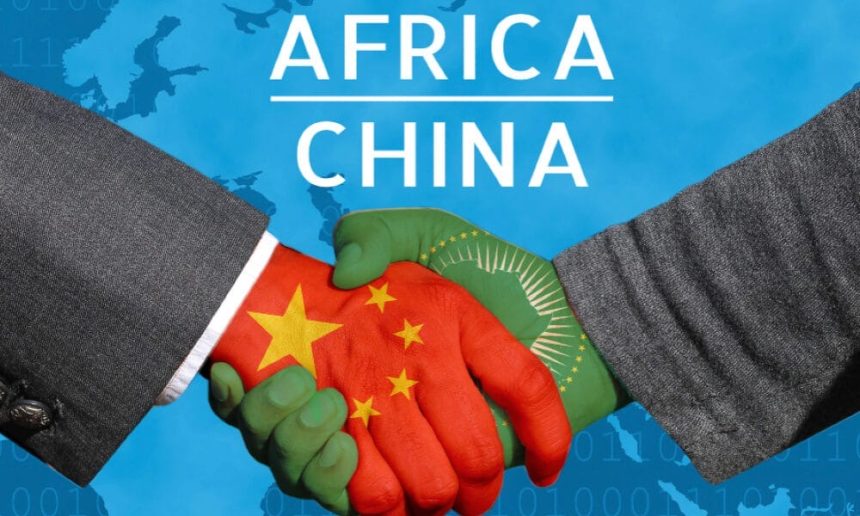
Historically, resource bartering deals in Africa—such as China’s oil-for-loans agreement with Angola—have:
- Limited legislative and fiscal autonomy
- Locked in long-term below-market prices
- Fragmented government accountability
- Encouraged elite capture and kleptocracy
- Caused long-term social and environmental harm
These agreements trade national sovereignty for short-term liquidity or foreign goodwill. Now, the DRC appears poised to repeat the cycle, this time with security as the bait.
DRC’s Resource Curse
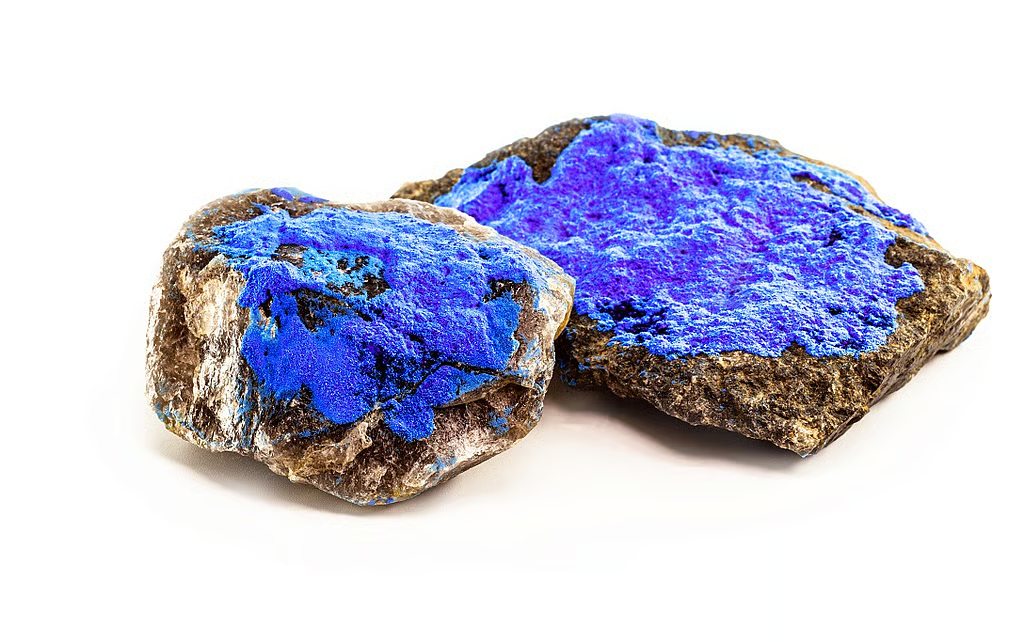
The DRC is one of the richest mineral countries in the world, with vast deposits of:
- Cobalt
- Copper
- Lithium
- Manganese
- Tantalum
These resources are essential for the energy transition, AI, defense technologies, and electric vehicles.
Yet, the country remains among the world’s poorest, and its eastern regions are ravaged by armed groups—over 130 active militias—often backed by Rwanda and Uganda, and financed by the very minerals that global powers seek.
What the US Gets — and Africa Risks Losing
The U.S. gains a secure pipeline for critical minerals, enhancing its global tech and defense supply chains.
Africa risks:
- Regulatory capture: Clauses that block future legal reforms
- Pricing losses: Long-term contracts that deny states windfalls during price surges
- Sovereignty erosion: Revenues channeled to offshore accounts or foreign-controlled bodies
- Accountability breakdown: Multiple ministries involved with no unified oversight
- Reinforced inequality: Locals displaced, environments destroyed, profits exported
As seen in Angola, CAR, and earlier DRC agreements, these dynamics often lead to entrenched underdevelopment and governance failure.
What Needs to Change: A Strategic Shift
Africa must move from concessionary partnerships to strategic mineral diplomacy. Here’s how:
- Invest in legal and institutional capacity
- Train negotiators, draft strong contracts, and anticipate loopholes.
- Demand local value addition
- Require processing and manufacturing to happen within Africa.
- Ensure full transparency and public oversight
- All agreements should be debated in parliament and subject to legal review.
- Reject deals that bypass environmental or human rights standards
- No resource is worth sacrificing a country’s future well-being.
- Leverage collective bargaining
- Work through the African Union or regional blocs to negotiate as a bloc.
Don’t Trade the Future for Fragile Promises
Critical minerals are central to who controls the global economy in the 21st century. Africa owns the resources—but ownership without strategic leverage is self-defeating.
The DRC, and the continent more broadly, must not trade short-term peace or patronage for long-term dependency and decline. The latest US-brokered peace deal is an opportunity—but only if African leaders hold the line on sovereignty, equity, and transparency.
Other News:
Spirit of Kansas: Inside the $1.4 Billion B-2 Bomber Crash in Guam
Iran Nuclear Strike: Midnight Attack Reshapes Gulf