Cyclone Chido Threatens Indian Ocean Islands and Africa’s East Coast
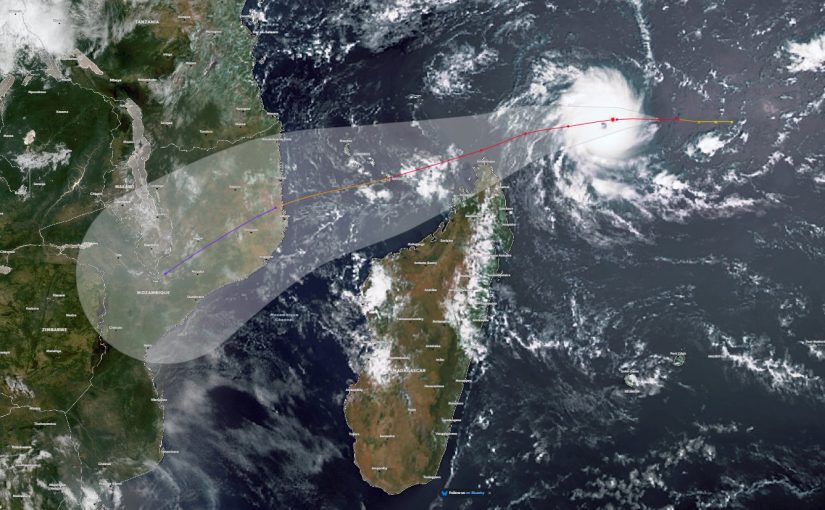
The Indian Ocean islands of Comoros, Madagascar, and Mayotte are bracing for Cyclone Chido, a powerful tropical storm set to bring destructive winds, heavy rainfall, and potential flooding as it approaches Africa’s east coast. The storm, which is expected to make landfall over the weekend, has triggered urgent warnings and emergency preparations across the region.
Comoros on High Alert
In Comoros, authorities ordered schools to close on Friday in anticipation of Cyclone Chido’s arrival early Saturday. The small archipelago is preparing for the storm’s full impact, which will include strong winds and heavy rain.
Madagascar Issues Precautionary Measures
Madagascar, one of the world’s most cyclone-prone countries, has already begun evacuations in its northern Diana region, where the cyclone’s effects are expected to be most severe.
- Emergency Alerts: Authorities have sent warnings via cellphones and radio broadcasts, advising residents to take precautions.
- Expected Impact: Approximately 20,000 people in the affected areas may need assistance.
- Preparedness Efforts: Since Tuesday, food supplies and emergency equipment such as water pumps, generators, and chainsaws have been dispatched to the region to aid in disaster response.
Mayotte Declares Red Alert
The French territory of Mayotte, located south of Comoros, has been placed under a red alert—the highest warning level—starting Friday night.
- Emergency Deployment: The French government has sent 110 emergency workers and three tons of rescue equipment to the island, including search dogs and specialists trained in rubble rescues.
- Support Teams: Firefighters from the nearby island of Reunion are also on standby to assist with recovery efforts.
Mozambique Prepares for Landfall
Cyclone Chido is expected to make landfall on the African mainland early Sunday, with Mozambique’s northern provinces of Cabo Delgado and Nampula directly in its path.
- Population at Risk: Authorities estimate that over 2.5 million people in the region may be affected.
- Forecasted Winds: The Mozambique National Meteorological Institute predicts wind speeds of up to 200 kilometers per hour (124 mph).
- Emergency Plans: Ana Cristina, director of Mozambique’s National Emergency Operations Center, highlighted the scale of the operation, stating that plans are in place to rescue and support affected communities.
Regional Impacts and Warnings
Even landlocked Zimbabwe is expected to feel the effects of Cyclone Chido, with officials warning of potential flooding and adverse weather conditions.
A History of Devastating Cyclones
Cyclone Chido comes during the Indian Ocean’s cyclone season, which runs from December to March. In recent years, the region has faced increasingly severe storms:
- Cyclone Idai (2019): Claimed over 1,300 lives across Mozambique, Malawi, and Zimbabwe.
- Cyclone Freddy (2022): Left more than 1,000 dead across multiple countries.
Studies suggest that climate change is intensifying cyclones, leading to stronger winds, heavier rainfall, and greater destruction.
Potential Aftermath and Health Risks
Crisis24, a risk management company, warns that Cyclone Chido could trigger:
- Flooding and Landslides: Leading to displacement and infrastructure damage.
- Health Risks: Stagnant water may cause outbreaks of waterborne diseases such as cholera, dengue fever, and malaria, as seen in the aftermath of past cyclones.
A Call for Preparedness
As Cyclone Chido approaches, affected regions are mobilizing resources and taking critical measures to minimize damage and save lives. The storm underscores the growing need for climate resilience and disaster preparedness in areas increasingly vulnerable to extreme weather events.
Communities are urged to stay alert, heed warnings, and prioritize safety as the storm unfolds.