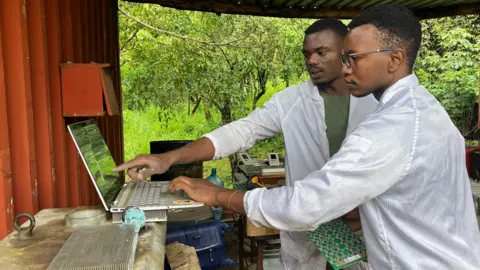
In the heart of Zambia’s remote northwest, the roar of the Zambezi River is being joined by a surprising new sound — the high-pitched hum of 120 computers mining Bitcoin. Tucked inside a shipping container, this off-grid mine is part of an ambitious energy experiment transforming both crypto and community life.
“It’s the sound of money,” says Philip Walton of Gridless, a Kenya-based startup behind this innovative project. The company has set up its Bitcoin mining operation beside the Zengamina Hydro Plant, channeling excess renewable energy to power their machines while helping fund essential infrastructure for locals.
Powering Profits with Purpose
Bitcoin mining requires massive amounts of energy — a fact that’s drawn criticism worldwide. But Gridless is flipping the script.
By connecting to Zengamina, a mini-hydro plant originally built to power a rural hospital, the company mines crypto using stranded renewable energy — electricity that was previously going to waste due to low local demand.
“We were wasting over half our energy daily,” explains Daniel Rea, who runs Zengamina. “Partnering with Gridless helped us recover that cost. Now, the Bitcoin mine accounts for nearly 30% of our revenue, keeping power prices down for residents.”
Local Impact Beyond Crypto
For the town of Zengamina, this collaboration has been transformative. Power that once trickled in slowly now fuels daily life for over 15,000 residents.
Damian the barber, for instance, opened his electrified shop just 18 months ago. “Before electricity, I had nothing,” he says. “Now I have lights, music, customers — and can even pay for school fees again.”
Sisters Tumba and Lucy Machayi echo that sentiment: “No phones, no TV, no fridge — it was just bush before. Electricity changed everything.”
When Bitcoin Leaves, the Lights Stay On
Gridless’s mission isn’t permanent occupation — it’s strategic use of surplus energy. With new funding secured, Zengamina will soon connect to the national grid. Once that happens, the surplus used for mining will be sold back, and Gridless will relocate.
For the company, that’s still a win.
“There’s no shortage of stranded energy across Africa,” says co-founder Janet Maingi. “We already operate in three countries and are raising funds to build our own hydro plants. Bitcoin is our entry point, but rural electrification is the legacy.”
A Global Conversation on Energy and Crypto
Critics argue Bitcoin mining can overburden grids — a lesson from Kazakhstan and even the US, where mines were forced to power down during peak demand. But Gridless insists their model prioritizes community needs and never competes with local consumption.
As Donald Trump pushes for Bitcoin to be “mined and made in the USA,” balancing energy use and sustainability will become increasingly critical.
Meanwhile, this quiet corner of Zambia is showing how blockchain and clean energy can coexist — creating not just coins, but lasting change.