
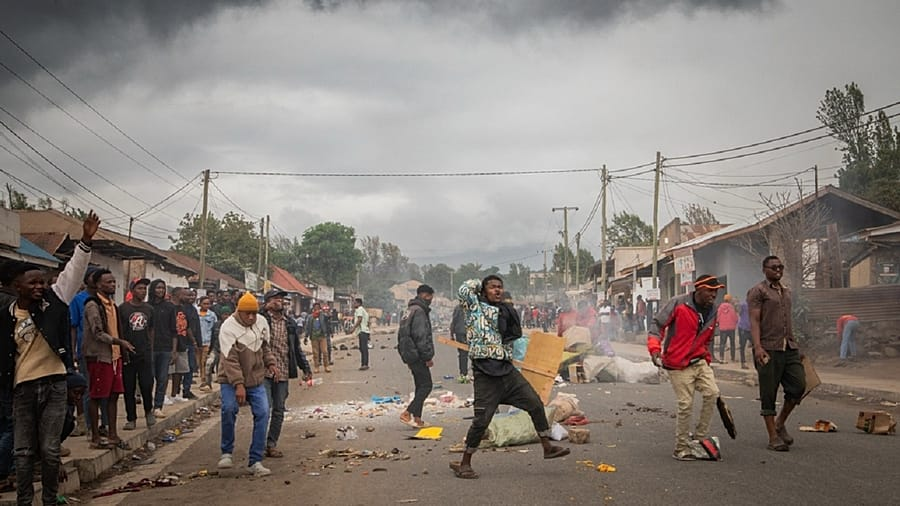
Tanzania has marked the first anniversary of its deadly October 2025 election unrest with memorial services, opposition-led mourning and renewed demands for accountability.
For survivors and bereaved families, the consequences remain immediate: untreated injuries, lost incomes and uncertainty about missing relatives. Rights advocates also warn that arrests and alleged abductions have deepened fears among government critics.
The anniversary comes ahead of a scheduled November 6 verdict in the treason case against opposition leader Tundu Lissu, adding to an already tense political atmosphere.
Death toll remains disputed
The October 29, 2025 election triggered protests after major opposition figures were excluded from the contest. President Samia Suluhu Hassan was declared the winner with approximately 98% of the vote.
A government-appointed inquiry reported at least 518 deaths in the ensuing violence. Chadema has estimated around 2,000 deaths, a figure the United Nations said it could not independently verify. The differing estimates remain a major point of contention. apnews.com
Beyond establishing the number killed, families and campaigners are seeking answers about responsibility, the circumstances of individual deaths and the whereabouts of those still missing.
Survivors describe lasting injuries and financial hardship
Twaha Bomeza, 61, told AFP that he suffered serious injuries during the election-day violence in Dar es Salaam. He described persistent eye problems, headaches and difficulty breathing, alongside the cost of surgery he cannot afford.
His experience reflects a continuing burden for people whose injuries have outlasted the immediate emergency.
Another survivor, Joseph Zakayo, said a gunshot wound to his thigh had prevented him from returning to his motorcycle taxi business. The loss of mobility has also meant a loss of income.
Their accounts show how the aftermath extends beyond political debate into healthcare needs, employment and daily family life.
Church services and opposition mourning mark anniversary
Catholic services held on October 29 commemorated those killed, injured or reported missing. Chadema announced a seven-day mourning period.
AFP reported a heavy police presence in Dar es Salaam as residents attended religious services and reflected on the violence.
Some participants called for dialogue and negotiation to replace the use of force. Opposition figures, meanwhile, used the anniversary to renew criticism of the government’s human rights record.
Tundu Lissu awaits November 6 judgment
Lissu’s treason case remains a focus of national attention.
The High Court is scheduled to deliver its judgment on November 6 after hearing final submissions from the prosecution and defence. Prosecutors allege that his statements sought to mobilise disruption of the 2025 election. Lissu disputes the case and argues that the evidence does not establish the alleged offence. The Citizen
He also recently protested restrictions on confidential consultations with his lawyers.
An update to earlier anniversary reporting is that Lissu ended his brief hunger strike on October 27, after being allowed a private meeting with his younger brother, according to his lawyer. That development did not establish that the wider dispute over legal access had been resolved. apnews.com
Rights groups raise concerns over arrests and disappearances
Activists say the anniversary has unfolded amid continuing pressure on government critics.
The supplied Africanews report described a treason charge against opposition official John Pambalu and the reported abduction in Kenya of Tanzanian dissident Twaha Mwaipaya, who remained missing at the time of reporting. Responsibility for the alleged abduction was not established in that account.
Fulgence Massawe of the Legal and Human Rights Centre told AFP that the organisation was representing about 56 people facing terrorism-related charges. He alleged that such prosecutions were being used to suppress criticism.
Amnesty International has also criticised the authorities’ response, alleging that counterterrorism legislation is being used against critics while accountability for the election violence remains inadequate.
Commission faces questions over credibility
The government established a presidential commission to investigate the unrest, but critics question its independence and whether its work can deliver meaningful accountability.
For survivors, the demands are practical as well as political: access to treatment, answers about missing relatives and credible investigations into deaths and injuries.
A year after the election, memorial services have provided space to mourn. They have also underscored how much remains unresolved for families whose lives changed during the violence.
Read Also: Ballon d’Or Winners: The Complete List and Football’s Biggest Records