Guinea political parties dissolution has triggered a major political controversy after the government dissolved 40 political parties by decree. The decision has drawn sharp criticism from opposition leaders who accuse the ruling authorities of attempting to eliminate political competition ahead of upcoming elections.
The move comes during Guinea’s ongoing transition from military rule to civilian governance. However, critics argue that the dissolution of dozens of parties raises concerns about democratic freedoms and political pluralism in the West African country.
Guinea Political Parties Dissolution Targets Major Opposition Groups
The Guinea political parties dissolution affected several of the country’s most prominent political organizations. Among them was the Union of Democratic Forces of Guinea, led by opposition leader Cellou Dalein Diallo.
Diallo strongly condemned the government’s action and warned that it signals an attempt to establish a one-party political system. He said the decree undermines the democratic process and restricts political competition.
Other major parties dissolved include the Rally of the Guinean People, the political movement associated with former President Alpha Condé, as well as the Union of Republican Forces led by Sidya Touré.
The removal of these influential parties has intensified concerns about the direction of Guinea’s political transition.
Government Justifies Guinea Political Parties Dissolution
Authorities say the Guinea political parties dissolution followed legal procedures linked to the country’s political party charter. According to officials, the affected organizations failed to comply with requirements established under the regulatory framework governing political parties.
Most of the parties had already been suspended in August 2025 for similar reasons before the final dissolution order was issued.
Government officials argue that enforcing these rules is necessary to strengthen political accountability and ensure compliance with electoral regulations.
However, critics say the timing of the decision raises serious doubts about its motivations.
Political Tensions Rise Ahead of Elections
The Guinea political parties dissolution comes just weeks before legislative elections scheduled as part of the country’s transition process.
These elections are widely seen as a critical step toward restoring civilian rule following the military takeover in 2021.
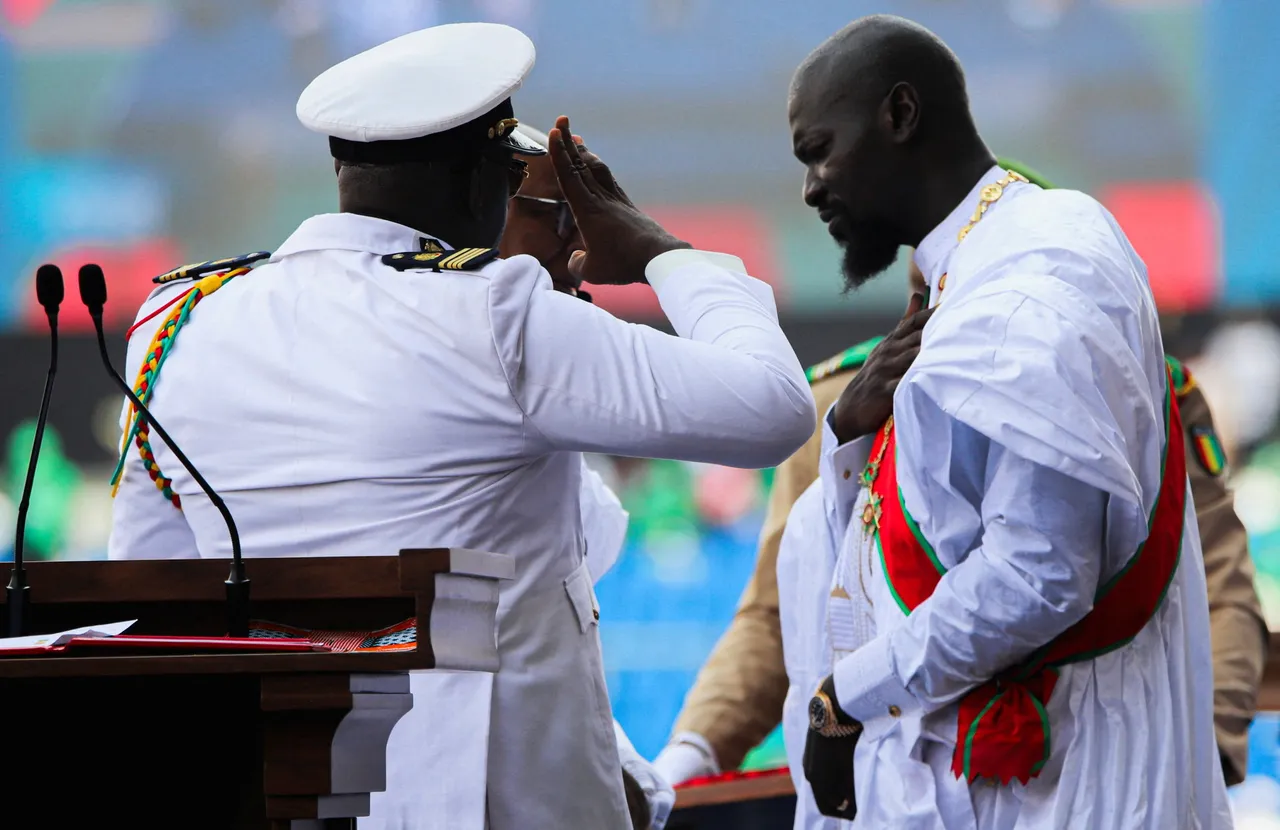
Colonel Mamadi Doumbouya seized power after overthrowing President Alpha Condé, ending years of controversial leadership.
Since then, the military-led government has promised to guide Guinea back to democratic governance. Yet opposition leaders argue that recent decisions suggest the transition is moving in the opposite direction.
Opposition Warns of Democratic Backsliding
Opposition figures say the Guinea political parties dissolution could severely limit democratic competition.
With dozens of parties removed from the political landscape, critics fear that voters may have fewer choices and that opposition voices could struggle to participate effectively in the upcoming elections.
Human rights observers have also expressed concerns about restrictions on political freedoms under the current administration.
Some analysts believe the dissolution could reshape the country’s political environment at a critical moment in its democratic transition.
Guinea’s Political Future Remains Uncertain
The Guinea political parties dissolution has further complicated the country’s fragile political climate.
Supporters of the government insist the move reflects legal enforcement rather than political repression. However, opposition groups see the decision as part of a broader pattern of tightening control over the political space.
As legislative elections approach, Guinea faces growing scrutiny from regional and international observers who are closely monitoring the transition process.
Whether the country can move toward stable democratic governance will depend on how authorities manage political participation, electoral fairness and respect for opposition rights.
The Guinea political parties dissolution marks a significant turning point in the country’s political transition. While the government argues it is enforcing legal standards, opposition leaders warn that the move threatens democratic pluralism.
With elections approaching and tensions rising, Guinea’s political trajectory remains uncertain. The coming months will likely determine whether the country advances toward democratic reform or faces deeper political divisions.