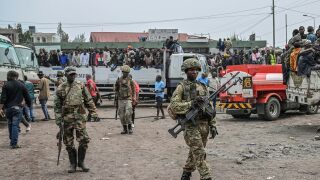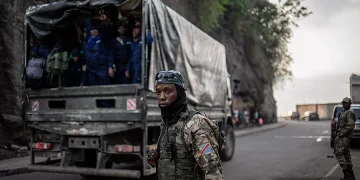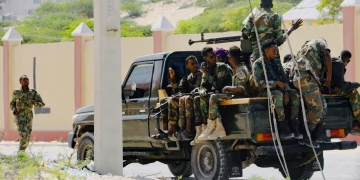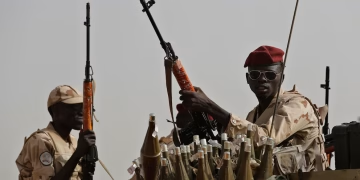
KHARTOUM, SUDAN | General Abdel Fattah al-Burhan, Sudan’s army chief, has initiated a Sudan military reshuffle to strengthen his control amid ongoing conflict with the Rapid Support Forces (RSF). On August 18, Burhan’s decree unified control over allied armed groups, including former Darfur rebels, tribal militias, Islamist brigades, and civilian defense volunteers, bringing them under army command.
Key Leadership Changes in Sudan Military Reshuffle
Burhan also made several key leadership changes within the military. He appointed a new inspector general and air force chief but retained General Mohamed Othman al-Hussein as Chairman of the Joint Chiefs of Staff.
These moves followed the retirement of senior officers. The reshuffle aims to strengthen Burhan’s influence in central and eastern Sudan, where clashes with the RSF continue in the west.
Political Reactions to Sudan Military Reshuffle
Political figures have welcomed the Sudan military reshuffle, viewing it as a strategy to prevent the rise of rival military factions like the RSF. The RSF, initially formed from government-armed militias, has emerged as a powerful force, challenging Burhan’s control. This reshuffle seeks to curb the RSF’s influence and maintain unity within the military.
Sudan’s Political Crisis Deepens Amid Military Reshuffle
Burhan also met with a U.S. Africa advisor in Switzerland to discuss Sudan’s transition to civilian governance. The country, however, remains politically fragmented. The RSF has formed a parallel government, further escalating fears of a split as both factions fight for legitimacy and control.
Conclusion
The Sudan military reshuffle marks a key effort by General Burhan to solidify his control during Sudan’s ongoing political and military instability. Although this reshuffle may limit the RSF’s power, Sudan’s future remains uncertain, with the country deeply divided. The transition to civilian governance and resolution of the military factions’ rivalry will determine the country’s path forward.