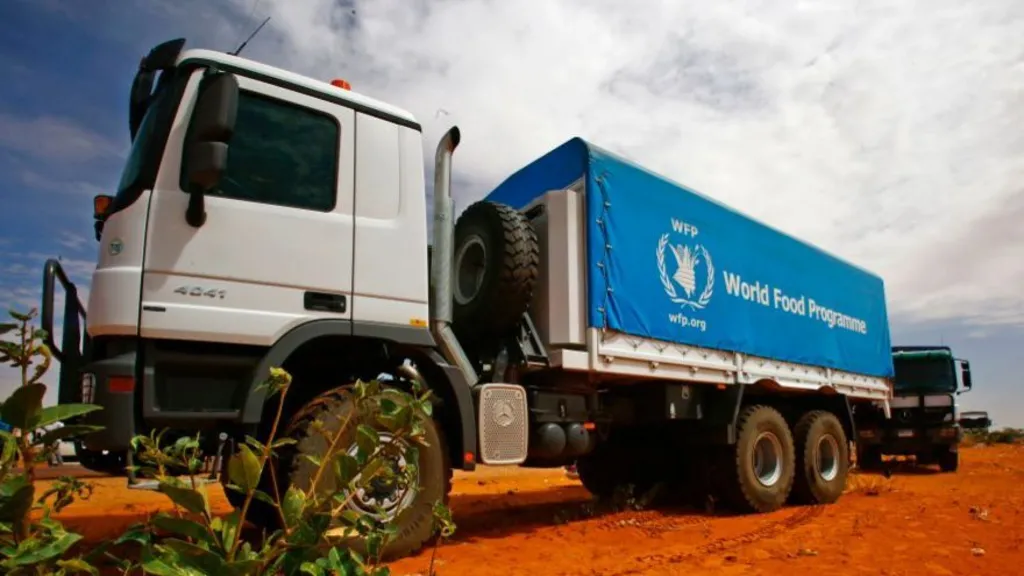
The conflict in Sudan continues to escalate, with the Sudanese army recently denying accusations of bombing a World Food Programme (WFP) convoy. This convoy, en route to aid famine-stricken areas in Darfur, came under attack in the town of Mellit, which is currently controlled by the paramilitary Rapid Support Forces (RSF).
A dramatic escalation in the war has already wreaked havoc on the region’s population. Despite the RSF’s claims, Sudan’s army maintains it was not involved in the drone attack that destroyed three trucks from the 16-vehicle convoy. A statement from the WFP confirmed the attack, which saw multiple vehicles set ablaze, but thankfully reported that all staff onboard remained unharmed.
Conflict Escalates Amid Humanitarian Crisis
Since the civil war erupted in April 2023, the fighting between the Sudanese army and the RSF has ravaged the country, causing an unprecedented humanitarian crisis. The famine-stricken region of Darfur, a focal point of the war, is one of the worst-hit, as both sides vie for control.
The attack on the aid convoy is only the latest in a series of assaults targeting humanitarian missions in Sudan. The RSF, which lacks an air force, has been implicated in deploying drones alongside the army. The World Food Programme (WFP) issued a call for all warring factions to respect international humanitarian law, emphasizing that aid workers and their assets should never be targeted.
Famine-Hit Region Faces Dire Straits
The convoy, carrying vital aid to a village near Mellit, was en route to a famine-stricken area situated about 90 kilometers northwest of el-Fasher, the last major stronghold of the Sudanese army in Darfur. With the RSF intensifying its siege on el-Fasher, this region has become a hotbed of conflict, exacerbating the already dire living conditions for millions.
The conflict has not only caused widespread death and destruction but has also led to a massive refugee crisis. Over 4.5 million people have fled Sudan, many of them women and children, seeking safety in neighboring countries. The war’s toll continues to rise, with tens of thousands of people killed and over 12 million displaced.
International Aid Efforts Threatened by Ongoing Violence
Humanitarian aid efforts in Sudan have been severely hindered by the ongoing conflict. Both the Sudanese army and the RSF have been accused of obstructing food deliveries and even using starvation as a weapon of war. These actions, which include the looting of food supplies and the targeting of humanitarian convoys, have further fueled the suffering of millions.
In a similar attack earlier this year, five aid workers lost their lives in an assault on a convoy in el-Fasher, highlighting the growing dangers faced by those providing assistance in war-torn regions.
Conclusion: The Need for International Intervention
As the Sudanese conflict continues to spiral out of control, the international community must intensify efforts to hold the warring parties accountable and ensure that humanitarian aid reaches those who need it most. The destruction of vital food supplies and the loss of aid workers underscore the urgency of finding a peaceful resolution to this devastating conflict.