
Achieving work‑life balance is essential for long‑term success, physical wellbeing, and emotional health. For Kenyan professionals juggling careers, family commitments, and personal goals, the pressure to excel in every area can feel overwhelming. While there’s no one‑size‑fits‑all formula, adopting mindful habits and effective strategies can help you create a sustainable lifestyle that aligns work responsibilities with personal fulfillment. This guide offers practical steps tailored to the Kenyan professional experience.
Understand What Work‑Life Balance Really Means

Work‑life balance is not just about splitting your time evenly between work and life. It’s about prioritising what matters most and ensuring neither work nor personal life overshadows your overall wellbeing. For some, achieving balance may mean finishing work by a certain hour; for others, it may mean carving out time for physical health or family activities without guilt.
Take time to identify your values: family, career growth, spiritual life, health, friendships, or hobbies. Knowing what truly matters will guide your decisions about where to focus energy and time.
Set Clear Boundaries at Work

Establishing boundaries helps protect your personal time:
Communicate work hours: Let your team, clients, and supervisors know your availability. In offices across Nairobi, Mombasa, Kisumu, and beyond, making your work hours clear helps others respect your personal time.
Avoid overworking: Resist the urge to respond to work messages or emails after work hours unless absolutely necessary. This sanctuary of personal time allows you to recharge mentally and emotionally.
Use technology thoughtfully: Set boundaries with digital devices by turning off notifications after work or using “Do Not Disturb” modes during family time or rest periods.
Master Time Management

Good time management lets you focus on what matters with less stress:
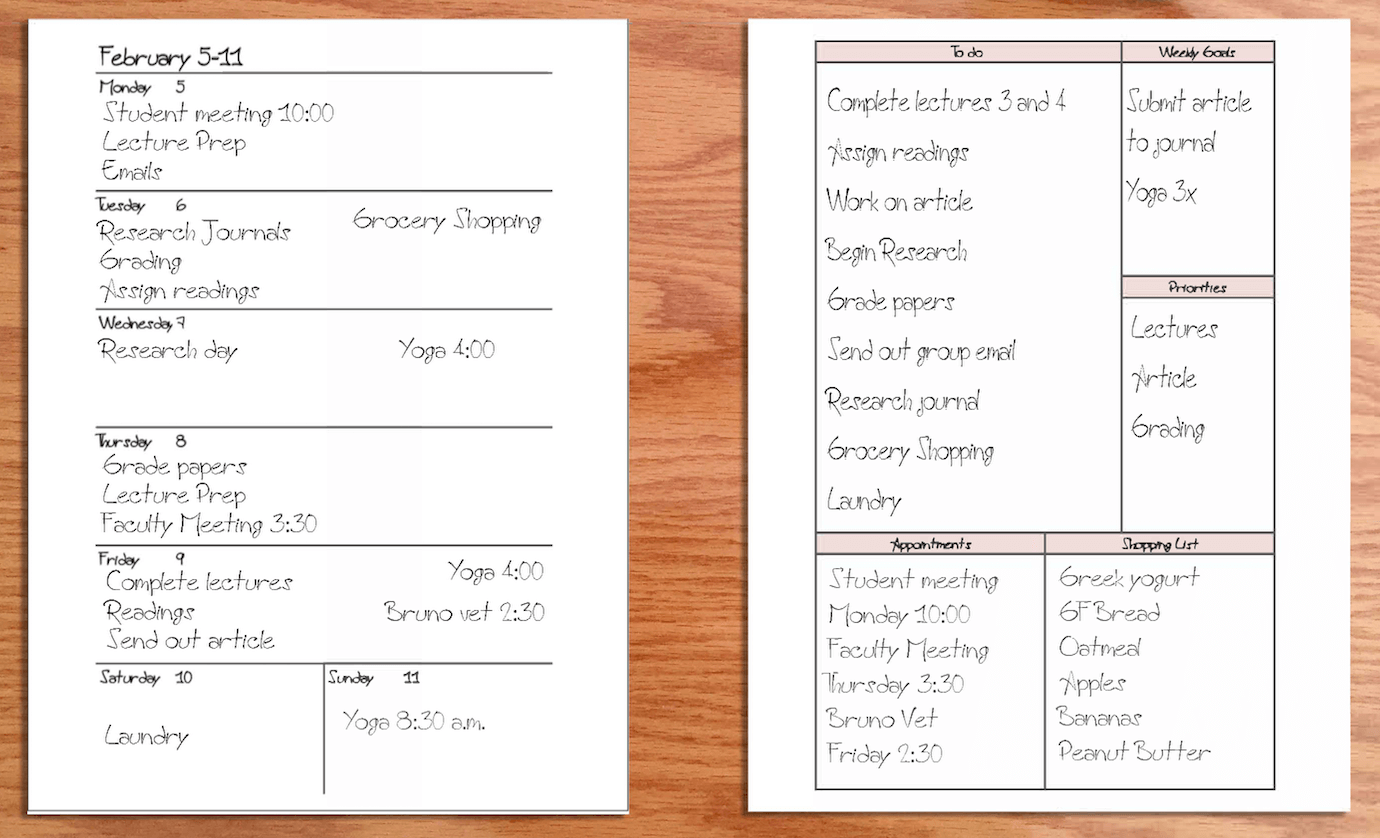
Plan daily tasks: Use planners or digital calendars to schedule both work responsibilities and personal activities. Prioritise tasks based on urgency and importance.
Break tasks into steps: Breaking bigger projects into manageable steps prevents overwhelm. When tasks feel achievable, progress feels more satisfying.
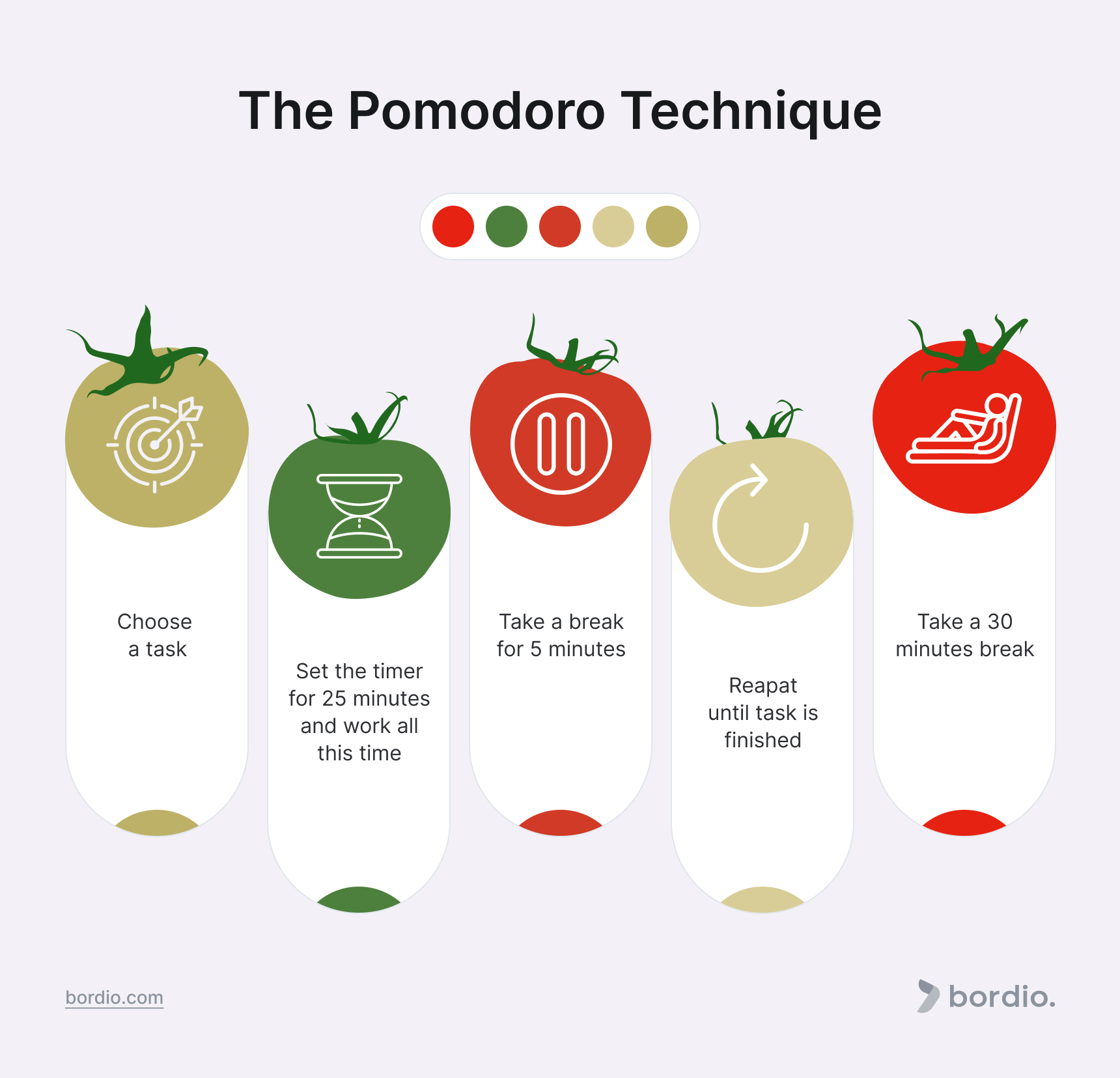
Use productivity techniques: Strategies like the Pomodoro Technique — working in focused blocks with short breaks — can help maintain focus and energy.
Build a Supportive Work Environment
Your work setting influences your ability to maintain balance:
Designate a workspace: If working remotely in Kenya, create a space strictly for work. When the day ends, leaving that space helps your mind shift into personal life mode.
Discuss flexible arrangements: Many organisations now offer flexible hours or hybrid work options. If your job allows, discuss schedules that help you balance tasks without sacrificing productivity.
Connect with supportive colleagues: A workplace culture that values balance helps everyone thrive. Collaborate with peers who respect boundaries and promote wellbeing.
Prioritise Physical and Mental Health



Good health is foundational to balance:
Exercise regularly: Physical activity boosts mood, reduces stress, and improves energy. Try walking exercise sessions during breaks, weekend nature hikes, or gym routines near your neighbourhood.
Eat with intention: Healthy meals fuel your body and mind. Planning lunches or snacks helps avoid unhealthy eating when work gets busy.
Rest and sleep: Adequate sleep improves focus and emotional resilience. Aim for consistent, quality rest every night.
Mindfulness and breaks: Short meditation, breathing exercises, or brief walks help reset the mind — even during busy days.
Make Time for Family and Personal Life
Your life outside work matters just as much as your career:
Schedule family moments: Block time in your calendar for family dinners, weekend outings, or conversations without distractions. Treat these moments as appointments you won’t cancel.
Engage in hobbies: Activities like reading, gardening, painting, or music can elevate your mood and provide a sense of joy beyond professional achievements.
Unplug regularly: Dedicate device‑free time to be fully present with loved ones. This improves connection and reduces digital stress.
Use Kenyan Community and Wellness Resources
Kenyan professionals can tap into local resources to support balance:
Wellness workshops: Events focusing on stress management, leadership, or personal development help sharpen your tools for a balanced life.
Peer networks: Professional groups or mentorship programmes allow you to share experiences and find encouragement from others pursuing similar goals.
Explore nature: Kenya’s landscapes — like the Great Rift Valley, coastal beaches, and serene forests — offer restorative spaces to relax and recharge on weekends or holidays.
Learn to Say No
Saying “no” respectfully is a powerful tool. Excessive commitments lead to burnout. When asked to take on tasks that overwhelm your capacity, assess whether they align with your priorities and wellbeing before agreeing.
Review and Rebalance Regularly
Balance is dynamic. What works today might need adjustment tomorrow. Set aside time weekly or monthly to reflect: are your priorities being met? Is stress creeping in? Tweak schedules, habits, or expectations when needed.
Final Thought
Achieving work‑life balance as a Kenyan professional requires intention, boundaries, self‑awareness, and flexibility. It’s not about perfection but creating a life where work and personal joy co‑exist harmoniously. By adopting these strategies, you can nurture both career success and a fulfilling, balanced life. Start with small changes — and watch how consistency transforms your daily experience.