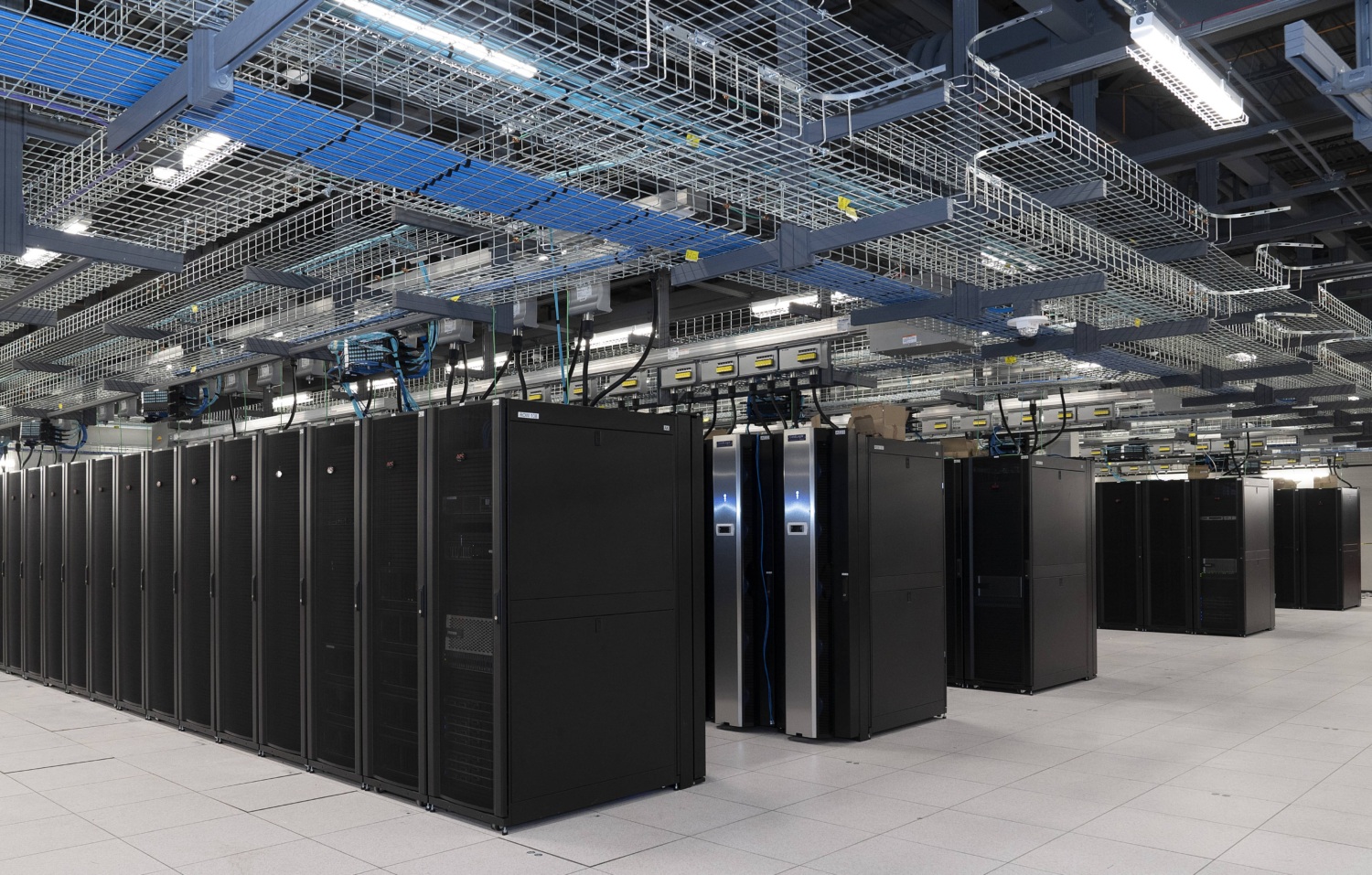
The rapid expansion of data centres across Africa is reshaping the continent’s power market, with these facilities now emerging as significant players alongside households, industries, and mines in the demand for electricity. As digital services grow in importance, from cloud computing to fintech platforms, the infrastructure supporting Africa’s digital economy is increasingly reliant on stable, uninterrupted power.
Data Centres Driving Change in Africa’s Energy Landscape
In Africa, data centres are now a cornerstone of the digital economy, and as demand for cloud services and digital platforms grows, so does the need for power. By 2030, it is predicted that the demand for power to support IT equipment will surge to 250 gigawatts, with total installed capacity, including cooling systems, expected to exceed 370 gigawatts. This is not just a global trend; Africa is firmly integrated into this growing digital infrastructure.
Africa’s energy sector is being transformed as data centres take on a more prominent role. They offer a unique benefit to power developers: a predictable, long-term power demand that can justify new power plants, improve grid reliability, and make energy projects more attractive to investors. This is especially crucial in regions where utilities face revenue uncertainty and power supply challenges.
Major African Markets for Data Centres
Countries such as South Africa, Kenya, Nigeria, and Egypt are leading the way in Africa’s data centre market. These regions have seen substantial investments in digital infrastructure, driven by mobile connectivity, government digitization, and cloud services. In particular, South Africa stands as the largest and most developed data centre market on the continent, home to major cloud providers like Microsoft and Amazon Web Services.
Kenya is emerging as East Africa’s fastest-growing data centre hub. With proactive digital policies and large-scale initiatives like the Konza National Data Centre, Kenya’s market is projected to grow at a rate of 30% annually until 2028, positioning the country as a key player in Africa’s digital future.
The Ugandan Case, Growth Amid Challenges
Uganda represents a smaller, fast-digitizing economy that faces both challenges and opportunities in this transformation. According to the 2024 “State of Data Centres in Uganda” report by Raxio Data Centre, cloud adoption in the country has surged by over 30% in just three years. Key drivers include government regulations like the Data Protection and Privacy Act of 2019, which mandates that citizen data be processed and stored locally.
However, reliable electricity remains a major constraint for Uganda’s data centre growth. While businesses are investing in backup systems and renewable energy sources like hydro and solar, pricing uncertainty and grid reliability continue to pose challenges. Despite this, Uganda’s digital services are on the rise, with businesses increasingly relying on cloud computing to meet the growing demands for scalability and regulatory compliance.
The Future of Data Centres in Africa
For Africa, the future of its digital economy depends on reliable energy infrastructure. Data centres are not just driving technological change; they are becoming a critical part of the continent’s economic development, supporting sectors like education, healthcare, and financial services. But to realize their full potential, African nations must address power supply challenges, including the integration of renewable energy and improved grid reliability.
As digital adoption accelerates across Africa, data centres are poised to play an even greater role in shaping the continent’s energy landscape. For countries like Uganda, this is a pivotal moment. If the right investments are made in both energy infrastructure and digital services, data centres could become a key driver of sustainable, inclusive growth.