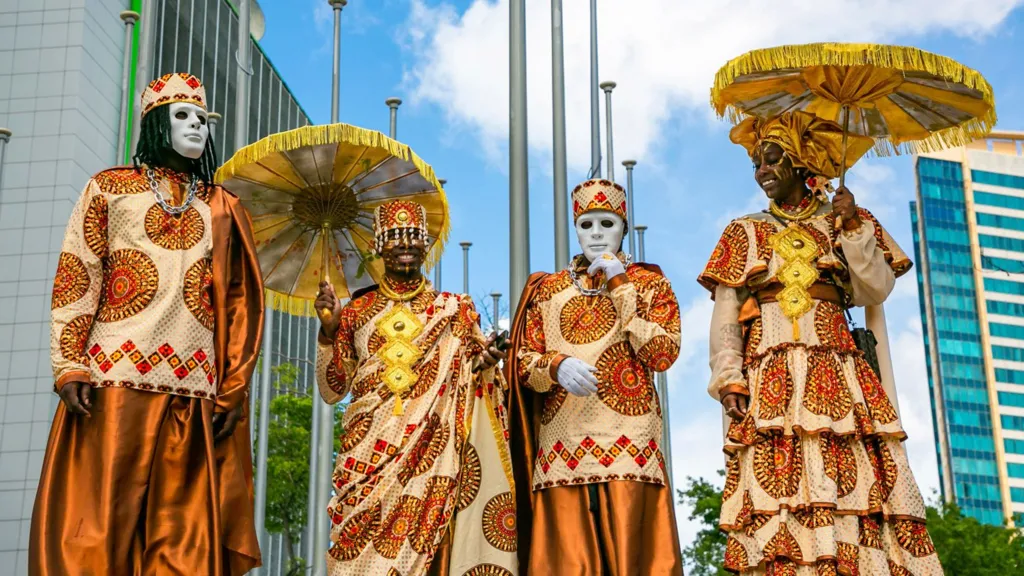
The Africa and Caribbean ties are strengthening as both regions embrace cultural, economic, and diplomatic connections. In St Lucia, Nigerian doctor Augustine Ogbo spends his days treating patients and his evenings running Africana Chops, a Nigerian takeaway. His dishes, including egusi soup, fufu, and jollof rice, are winning fans across the island. For many locals, the food is more than just a meal. It represents a way to reconnect with African roots that date back centuries.
Across the Caribbean, interest in African heritage is growing. Islanders are embracing African food, fashion, and music while governments are pursuing stronger partnerships with African states. According to Dorbrene O’Marde of the Antigua and Barbuda Reparations Support Commission, the region is experiencing a new phase of pan-Africanism. Unlike past movements, which focused mainly on psychology and culture, this wave includes economic cooperation and trade.
Social media has fueled this renewed connection. Platforms such as TikTok expose young people to African history and culture beyond slavery. The rise of Afrobeats, a genre from Nigeria and Ghana, has also reshaped perceptions. Dennis Howard, a lecturer in Jamaica, noted that music videos show a modern, developed Africa, which challenges old stereotypes and sparks curiosity.
Travel is another growing bridge. Ghana reported a notable rise in Caribbean tourists in recent years, while South Africa’s consul to the Bahamas confirmed more visits to Kenya, Ghana, and South Africa. Even less traditional destinations, such as Burkina Faso, are attracting visitors for political and cultural reasons. Caribbean leaders, including Barbados Prime Minister Mia Mottley, have called for direct “air and sea bridges” to make travel easier and reduce dependence on European stopovers.
Institutions are also stepping in to support this momentum. The African Union, Afreximbank, and other organizations are pushing for stronger trade ties. Afreximbank estimates that trade could rise from $730 million to $1.8 billion by 2028 if barriers are reduced. Leaders from Grenada and the Bahamas even suggested a shared digital currency to symbolize unity and improve commerce.
Dr Ogbo believes his small restaurant fits into this broader picture. By serving Nigerian dishes in St Lucia, he sees himself as promoting African culture alongside the diplomatic efforts of both governments. In June, Nigerian President Bola Tinubu signed cooperation agreements with St Lucia, further cementing ties. For Dr Ogbo, his food is part of this exchange.
The renewed Africa and Caribbean ties carry cultural, political, and economic significance. Stronger connections could reshape trade, tourism, and identity for millions of people. While challenges remain in logistics and infrastructure, the determination of leaders, communities, and entrepreneurs shows that the relationship is moving forward.