

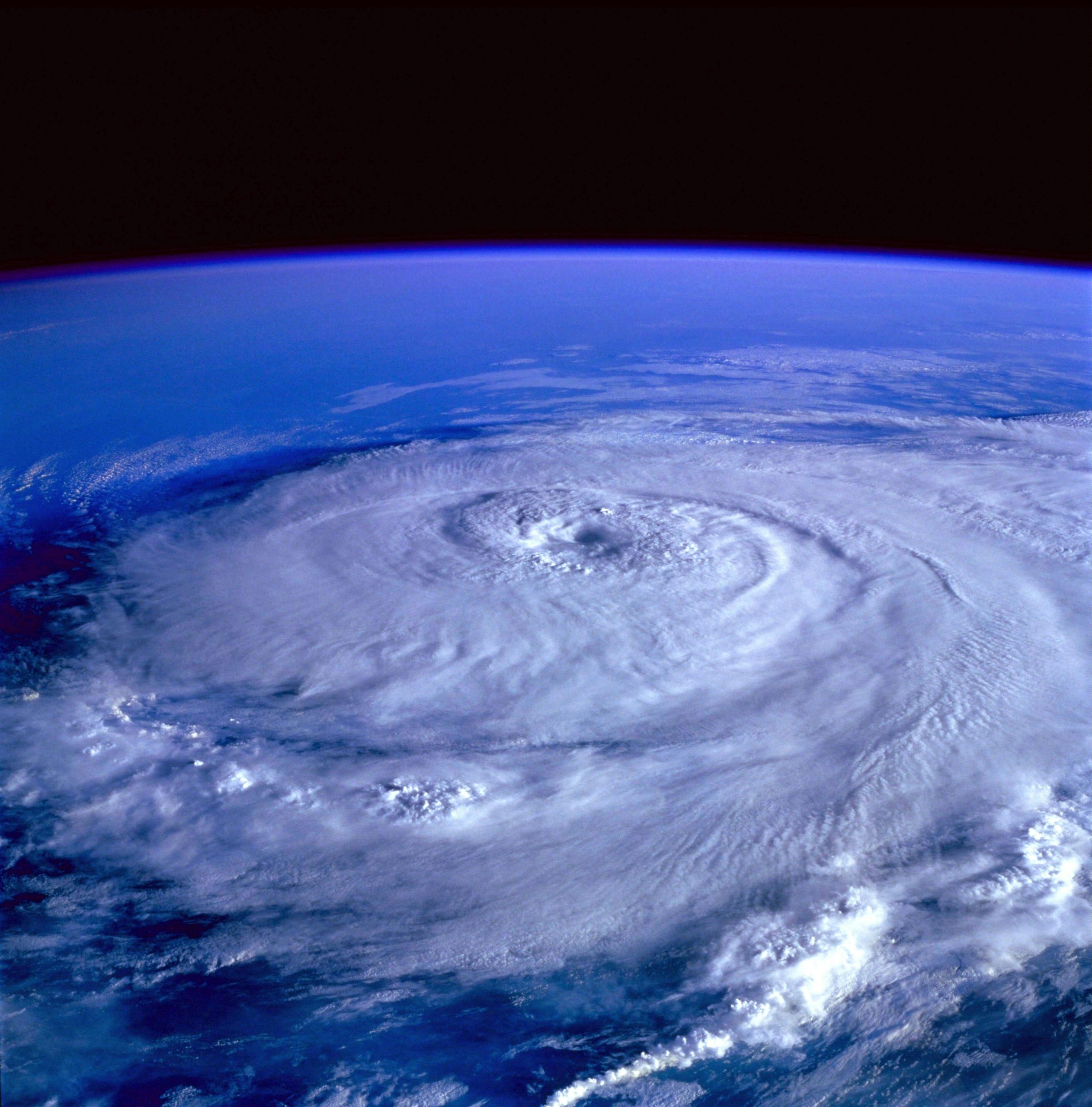
Hurricanes have shaped human history in unforgettable ways, unleashing unimaginable force across coastlines, flattening entire regions, and altering the course of communities forever. These massive storms draw power from warm ocean waters and unstable atmospheric conditions, building into rotating engines of wind, rain, and storm surge capable of rewriting landscapes within hours. While many storms have come and gone, only a select few stand out as the most extreme hurricanes in history. These are the storms that broke scientific expectations, defied forecasting, and revealed the true scale of nature’s power. They are remembered not only for their record-setting wind speeds or gigantic size but also for the long-lasting scars they left behind. From deadly storm surges and catastrophic flooding to sustained winds that shattered global benchmarks, these hurricanes remain defining moments in meteorological history.
The Great Galveston Hurricane (1900)
The deadliest hurricane in U.S. history struck long before modern forecasting systems existed. On September 8, 1900, Galveston, Texas faced a massive hurricane with estimated sustained winds of 145 mph. With no early warning infrastructure available, residents had no idea of the scale of the storm approaching. When the surge arrived, it swallowed entire neighborhoods and scattered debris for miles. Between 8,000 and 12,000 people died, making it one of the worst natural disasters ever to hit the United States. After the tragedy, Galveston began constructing a massive seawall and raised its elevation, marking a pivotal shift in American hurricane preparedness.
Hurricane Patricia (2015)
In the Eastern Pacific, Hurricane Patricia reached levels scientists once believed impossible. At its peak, Patricia recorded sustained winds of 215 mph, becoming the strongest hurricane ever measured in the Western Hemisphere. Its rapid intensification shocked meteorologists, as it strengthened from a tropical storm to a Category 5 hurricane within a single day. Fortunately, Patricia weakened before landfall in Mexico, preventing a catastrophic humanitarian crisis. Even so, its brief peak highlighted the growing threat of hyper-intense storms fueled by unusually warm waters.
Hurricane Katrina (2005)
Hurricane Katrina is known not only for its physical strength but also for the cascading failures that followed. After building into a Category 5 storm over the Gulf of Mexico, Katrina struck Louisiana and Mississippi with devastating force. The levee system in New Orleans collapsed under the pressure, flooding over 80% of the city. More than 1,800 people lost their lives, and financial losses exceeded $180 billion. Katrina became the costliest hurricane in U.S. history and exposed weaknesses in disaster response, prompting nationwide reforms in emergency communication, evacuation procedures, and infrastructure design.
Hurricane Irma (2017)
Hurricane Irma was remarkable for its extraordinary longevity as a Category 5 storm. Irma maintained peak intensity for 37 straight hours, longer than any other Atlantic hurricane. Its path of destruction swept across the Caribbean, reducing Barbuda to near-total ruin and inflicting catastrophic damage on St. Martin, the British Virgin Islands, and parts of Cuba. When Irma reached Florida, it brought widespread flooding, wind damage, and power outages. Its persistence and scale made it one of the most extreme tropical cyclones ever witnessed in the Atlantic basin.
The Labor Day Hurricane (1935)
The 1935 Labor Day Hurricane remains the most powerful hurricane to make landfall in the United States. With sustained winds of 185 mph at landfall, it hit the Florida Keys with devastating intensity. Entire communities were wiped away, railroads twisted, and hundreds of World War I veterans working on local projects were killed. The storm surge swept across the islands with immense force, reshaping parts of the Keys permanently. Its impact was so severe that it altered transportation routes and emergency planning across Florida.
Hurricane Mitch (1998)
Hurricane Mitch stands out for its catastrophic rainfall rather than wind speed alone. After reaching Category 5 intensity, Mitch stalled over Central America for days, dumping torrential rain across Honduras, Nicaragua, Guatemala, and El Salvador. The resulting floods and landslides destroyed towns, washed away roads, and buried entire landscapes. More than 11,000 people died, making Mitch one of the deadliest hurricanes ever recorded globally. Its devastation pushed Central America into a long period of humanitarian and economic recovery.
Hurricane Dorian (2019)
Hurricane Dorian reached sustained winds of 185 mph, tying for the strongest Atlantic landfall on record. What made Dorian uniquely destructive was its near-complete stall over the northern Bahamas. For more than 24 hours, the islands endured relentless winds, storm surge, and torrential rain. Homes were torn apart, infrastructure collapsed, and thousands were left without shelter. The storm’s slow movement amplified its destructive impact, making it one of the most damaging hurricanes in Bahamian history.
Typhoon Tip (1979)
Though technically a typhoon, Tip holds the title of the largest tropical cyclone ever recorded. With a diameter of nearly 1,380 miles, Tip was larger than many countries and nearly the size of the entire eastern United States. Its central pressure dropped to 870 millibars, the lowest ever measured in a tropical cyclone. Even though Tip weakened before striking Japan, its unprecedented size and intensity made it an iconic storm in the history of global meteorology.
What Makes a Hurricane “Extreme”?
A hurricane earns the title “extreme” based on several scientific and human-impact criteria. These include peak sustained winds, central pressure, duration at high intensity, size, storm surge potential, rainfall volume, and the level of destruction to communities. Storms that combine rapid intensification, high winds, and extensive impact tend to stand out in meteorological history.
Why Extreme Hurricanes Are Becoming More Common
Scientists warn that warming ocean temperatures and shifting climate patterns contribute to stronger, wetter, and more unpredictable storms. Hurricanes now intensify more rapidly, stall more frequently, and carry greater rainfall potential. As coastal populations continue to grow, the risks become more severe, placing more people and infrastructure directly in harm’s way.
Humanity’s Ongoing Challenge
Extreme hurricanes demonstrate how vulnerable human settlements remain in the face of powerful natural forces. Each historic storm has forced countries to rethink building codes, emergency systems, evacuation plans, and long-term resilience strategies. While forecasting technology continues to improve, the raw power of these storms remains a reminder that nature can still overwhelm even the most advanced systems. Understanding the history of extreme hurricanes helps communities prepare for future storms and underscores the importance of adaptation, science, and preparedness as climate patterns continue to evolve.


