Moroccan authorities have urgently advised residents in flood-prone northwestern areas to leave immediately. This directive comes as the number of evacuees surpassed 108,000. Heavy, persistent rain has swollen rivers and filled dams to critical levels. Consequently, the government is coordinating a massive emergency response. The army has been deployed since Friday to assist with evacuations. Helicopters are also conducting rescue operations across the inundated plains. The northwestern Gharb region, a vital agricultural zone, is particularly vulnerable due to its low-lying, poorly draining topography. Officials warn of further threats from planned water releases from overfull dams. This Morocco flood crisis follows weeks of exceptional rainfall that have ended a severe seven-year drought.
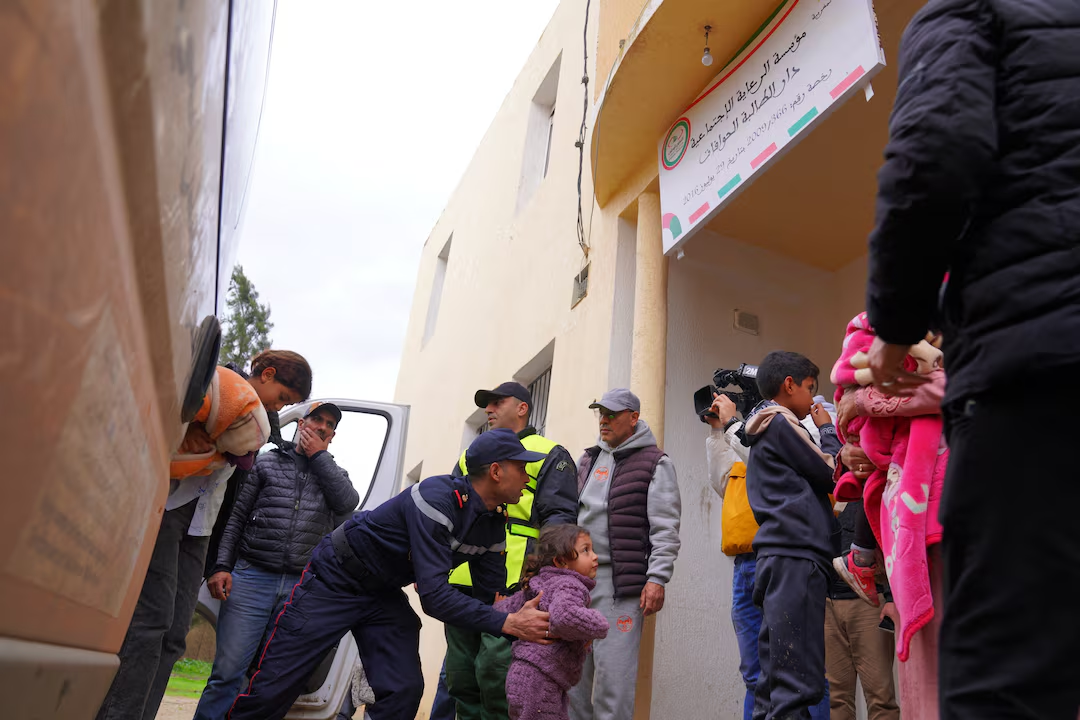
The Interior Ministry confirmed the evacuation total reached 108,432 people. Authorities issued specific evacuation orders for parts of Larache province. These areas include Ksar El Kebir city, the Larache industrial zone, and zones near the Loukous river. State television showed displaced residents receiving shelter and food in emergency camps. In Ksar El Kebir, approximately 85% of the population has already fled. The city is largely deserted, with many neighborhoods submerged after the Loukous river overflowed. Furthermore, electricity has been cut in parts of the city. The situation remains precarious, with a red alert for more heavy rainfall in effect. The national dam-filling rate has soared to nearly 62%, up from 27% a year ago.
Critical Threat from Overcapacity Dams
A primary concern is the pressure on the dam network. The Oued Makhazine dam near Ksar El Kebir is operating at 146% capacity. This extreme level forces controlled water releases downstream, exacerbating flood risks. The water ministry stated several large dams are being partially emptied to absorb new inflows. However, this necessary measure directly threatens communities living downstream. The dam management highlights a severe trade-off between infrastructure safety and immediate flood danger. Rights groups are urging the government to declare affected areas “disaster-stricken.” Such a declaration would enable residents to access insurance coverage for flood damage. This formal step is seen as crucial for long-term recovery and financial support for those who have lost homes and livelihoods.
Agricultural and Economic Impact on the Gharb Region
The flooding strikes at the heart of Morocco’s key wheat-producing region. The Gharb plains are essential for national food security. Inundated fields will likely cause significant crop losses, impacting harvests and farmers’ incomes. The region’s economic activity is severely disrupted, with the Larache industrial zone also under evacuation orders. The transition from a seven-year drought to catastrophic flooding illustrates climate volatility. While the rains have replenished reservoirs, the damage to agriculture and infrastructure is immense. This crisis forces a reevaluation of water management and flood defense strategies in low-lying agricultural zones. The long-term economic cost will be substantial, requiring major government investment in reconstruction and potentially in more resilient agricultural practices.
Scale of the Humanitarian and Rescue Operation
The response is a large-scale, multi-agency effort. The army’s deployment underscores the crisis’s severity. Helicopters are rescuing people from isolated areas where roads are impassable. Emergency camps are providing immediate shelter, but conditions are challenging. The sheer number of evacuees—over 108,000—strains resources. Ensuring adequate sanitation, healthcare, and food for this displaced population is a monumental task. The psychological toll on residents forced to abandon their homes is significant. Many have lost possessions and face an uncertain return timeline. The government’s priority is preventing loss of life, but the human cost of displacement and property damage will linger long after the waters recede. Continuous rainfall hampers relief efforts and increases the urgency.
Climate Context and Drought Recovery Paradox
The flooding occurs within a stark climate contradiction. Morocco has suffered a prolonged seven-year drought, prompting major investments in desalination and water conservation. The recent rainfall, 215% above last year’s level and 54% above the historical average, has abruptly ended that dry period. This deluge has rapidly filled dams but also caused devastation. This swing from extreme drought to extreme flood showcases the challenges of climate adaptation. Infrastructure and planning designed for water scarcity are now tested by water overload. The crisis highlights the need for integrated water management strategies that account for increasing hydrological volatility. While the rains are a boon for water reserves, the manner of their arrival is a catastrophe.
Looking Ahead: Recovery and Resilience Challenges
The immediate focus remains on lifesaving evacuations and managing dam discharges. The coming days will be critical as more rain is forecast. Once the flooding subsides, the massive recovery phase will begin. This includes clearing debris, restoring utilities, and assessing structural damage. The government will face pressure to provide financial aid and support rebuilding. There is also a longer-term imperative to improve flood defenses, such as river embankments and drainage systems in the Gharb plains. Reconsidering land use and settlement in high-risk flood zones is inevitable. This disaster serves as a costly lesson in climate resilience. Balancing the joy of ending a drought with the grief of a flood underscores the complex, unpredictable reality of climate change in North Africa. The path forward requires building back with greater foresight and flexibility.