

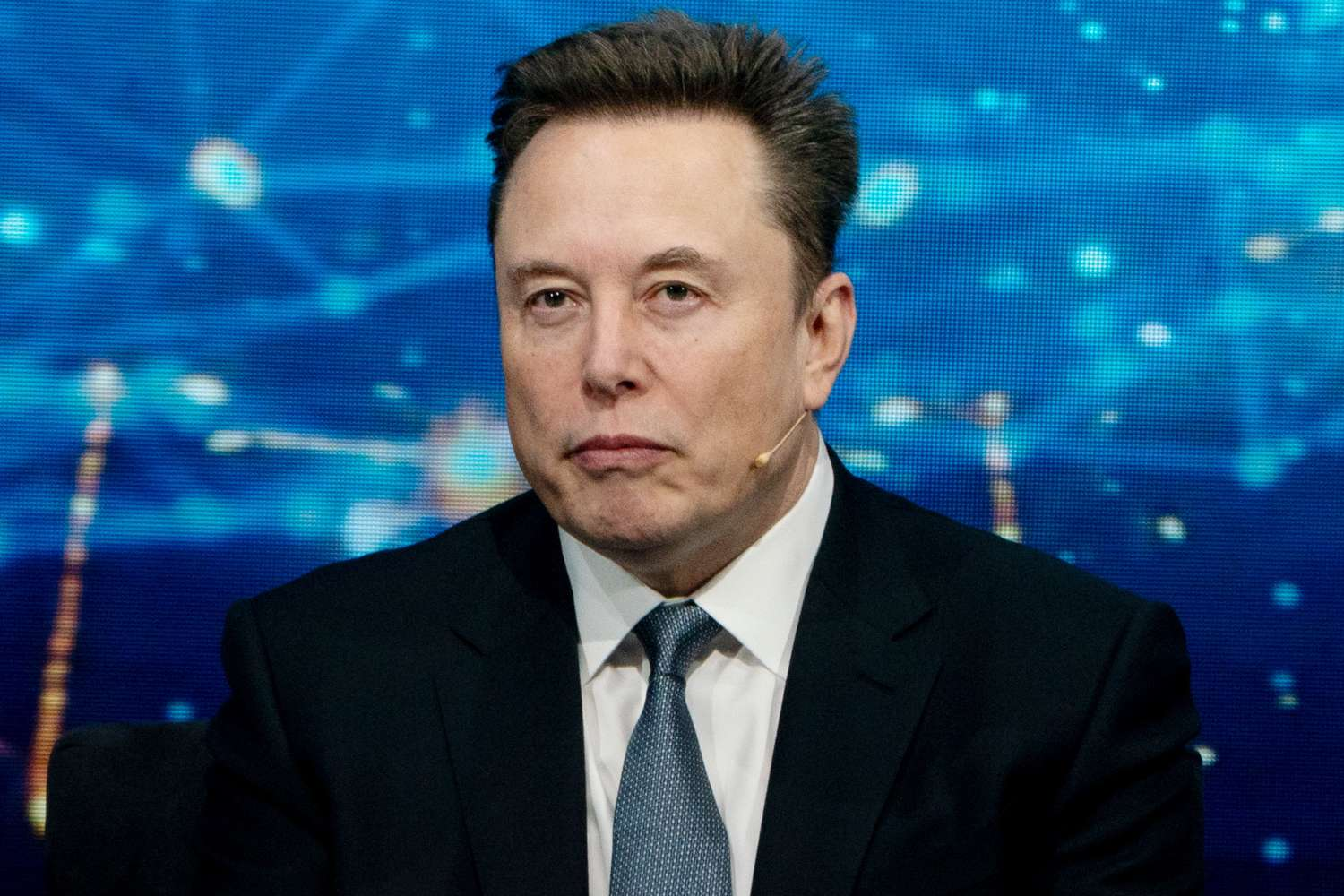
Elon Musk has become the first person in history to be valued above $1 trillion after SpaceX’s record-breaking Nasdaq listing sent his estimated fortune to a new high.
The milestone came after SpaceX began trading publicly, with shares opening around $150 after pricing at $135. Strong investor demand pushed the company’s valuation above $2 trillion during early trading, making the rocket, satellite and space technology business one of the most valuable listed companies in the world.
Forbes declared Musk the world’s first trillionaire after the trading debut lifted the value of his SpaceX stake and added a new chapter to the global wealth rankings.
The announcement marks a turning point in modern business. It shows how founder-led technology companies can create fortunes at a scale once considered impossible. It also places SpaceX at the centre of a larger debate about innovation, markets, private power and the future of space-based infrastructure.
For Musk, the listing turns years of private-company value into a public-market fortune. For investors, it opens a direct route into one of the most closely watched technology companies of the century.
Quick Facts About Elon Musk and the SpaceX Listing
| Category | Detail |
|---|---|
| Person | Elon Musk |
| New wealth milestone | Above $1 trillion |
| Company behind the milestone | SpaceX |
| Stock exchange | Nasdaq |
| IPO price | $135 per share |
| Opening price | Around $150 per share |
| IPO proceeds | About $75 billion |
| SpaceX valuation | Above $2 trillion during trading |
| Forbes declaration | World’s first trillionaire |
| Major wealth sources | SpaceX, Tesla and other ventures |
| Main investor theme | Space technology, satellites, AI and future infrastructure |
A New Wealth Record Built on SpaceX
Musk’s trillion-dollar milestone is tied directly to SpaceX’s public-market debut.
Before the IPO, SpaceX was already a giant in private markets. The company had built reusable rockets, expanded its Starlink satellite internet network and become a key player in commercial and government space operations.
However, private valuations are often harder to measure. Once SpaceX listed on the Nasdaq, investors created a live market price for the company.
That public price changed Musk’s wealth calculation.
Because he owns a large stake in SpaceX, the company’s valuation immediately affected his estimated net worth. The higher the stock traded, the higher his paper fortune climbed.
This is why the IPO was more than a company fundraising event. It became a global wealth event.
Why SpaceX Attracted Massive Investor Demand
SpaceX attracted huge demand because investors see it as a rare company operating across several future growth markets at once.
It is a rocket launch business. It is also a satellite internet company through Starlink. It is a government contractor, a communications infrastructure provider and a long-term space technology platform.
That mix gives SpaceX a wider story than most IPO candidates.
Investors are not only paying for today’s launches. They are paying for what SpaceX could become if satellite broadband, orbital infrastructure, defence space systems and future space-based services expand as expected.
The company also benefits from Musk’s reputation.
Whether admired or criticised, Musk remains one of the most influential business figures in the world. His name attracts attention, capital and speculation. For some investors, his track record at Tesla and SpaceX is part of the investment case.
That enthusiasm helped SpaceX raise about $75 billion in the biggest IPO ever reported.
What Makes the SpaceX IPO Different
Most IPOs introduce a growing company to public investors. SpaceX’s listing introduced a company already valued like a global giant.
That makes the deal unusual.
The company entered the market with a valuation above many established industrial and technology firms. It did so while operating in sectors that require enormous capital investment and long development timelines.
SpaceX is not a simple software company with low costs and easy margins. Rockets, satellites and space systems are expensive. They require engineering talent, manufacturing capacity, launch infrastructure, regulation and constant innovation.
Yet investors still valued SpaceX at a level usually reserved for the world’s most powerful public companies.
That shows how strongly markets believe in the future space economy.
How Musk’s Fortune Is Calculated
Elon Musk’s $1 trillion fortune is an estimate, not a cash balance.
Most of his wealth is tied to shares, stock options and private or public company stakes. The same is true for many of the world’s richest people.
When SpaceX shares rise, Musk’s estimated wealth rises. If SpaceX shares fall, his wealth can decline sharply. Tesla’s stock performance also remains a major factor.
That means Musk’s trillionaire status is real as a market estimate, but it is not the same as having $1 trillion in liquid cash.
Still, such paper wealth carries major influence.
It gives Musk financial power, borrowing capacity, corporate influence and cultural reach. It also makes his business decisions more important to investors, employees, regulators and governments.
From Tesla Wealth to SpaceX Wealth
For many years, Tesla was the main engine of Musk’s fortune.
Tesla’s stock rise turned him into the world’s richest person and made him the face of the electric vehicle boom. Investors valued Tesla not only as a carmaker but as a company linked to batteries, robotics, artificial intelligence and autonomous driving.
Now SpaceX has changed the balance.
The public listing gives Musk another enormous source of listed wealth. It also gives investors another way to gain exposure to his business empire.
This could reshape how markets view Musk.
Instead of being mainly a Tesla-linked billionaire, he is now a trillionaire whose largest wealth driver may be space infrastructure.
That shift matters because SpaceX’s growth story is different from Tesla’s. It depends on launch demand, satellite subscriptions, government contracts, communications networks and long-term space ambitions.
Starlink’s Role in the Valuation
Starlink is one of the most important reasons investors value SpaceX so highly.
Rocket launches are impressive, but satellite broadband gives SpaceX a recurring-revenue business with global potential. Starlink can serve homes, businesses, ships, aircraft, remote regions and government users.
That makes it more than a space project.
It is a communications network.
If Starlink continues expanding, it could become one of the world’s most important internet infrastructure businesses. Investors are clearly placing major value on that possibility.
Starlink also gives SpaceX a way to connect its rocket technology with a commercial service. The company can launch its own satellites, build its own network and sell access directly to users.
That vertical integration is one reason the market sees SpaceX as unique.
Why the $2 Trillion Valuation Is Controversial
SpaceX’s valuation is impressive, but it is also controversial.
A company valued above $2 trillion must eventually justify that price through revenue growth, profitability and durable market leadership. Investors may be excited today, but public markets can turn quickly if results disappoint.
Critics argue that the valuation depends too heavily on future expectations.
SpaceX must continue scaling Starlink, maintaining launch leadership, managing costs and delivering on ambitious long-term plans. Any delay, accident, regulatory setback or competitive pressure could affect investor confidence.
There are also questions about how much of SpaceX’s value depends on Musk’s personal brand.
Founder-led companies can rise quickly when markets trust the founder. But they can also become volatile when that founder becomes controversial, distracted or overextended.
That is why SpaceX’s public-market journey will be closely watched.
What the Listing Means for Public Investors
The SpaceX IPO gives public investors access to a company many had wanted to own for years.
That access is significant.
Before the listing, SpaceX was mainly available to private investors, employees and institutions able to participate in private markets. Now, ordinary investors can buy shares through public markets, depending on availability and local rules.
But access does not remove risk.
Buying into a company after a huge IPO surge can be dangerous if valuation is stretched. Investors must consider whether SpaceX’s future growth can support the price.
Long-term believers may see SpaceX as a once-in-a-generation company. More cautious investors may worry that excitement has moved faster than fundamentals.
Both views will shape trading in the months ahead.
What This Means for Wall Street
SpaceX’s listing could restart the market for mega-IPOs.
In recent years, many large private companies delayed public listings because of market volatility, valuation concerns or access to private capital. SpaceX’s successful debut shows that public investors still have appetite for blockbuster technology offerings.
That could encourage other major private companies to consider going public.
It may also push banks and exchanges to compete harder for large technology listings.
However, the real test comes after the first trading day. If SpaceX performs well over time, it could strengthen confidence in the IPO market. If the stock struggles, it may make investors more cautious about future high-valuation deals.
For Wall Street, the SpaceX IPO is both a victory and a test.
The Wider Debate About Trillion-Dollar Wealth
Musk becoming the world’s first trillionaire will spark debate far beyond finance.
Supporters will argue that his wealth reflects decades of risk-taking, invention and persistence. They will point to reusable rockets, electric vehicles, satellite internet and the creation of companies that changed entire industries.
Critics will see something different.
They will argue that a trillion-dollar personal fortune highlights extreme wealth concentration. They may question whether one individual should hold so much economic influence, especially when the company behind the fortune operates in strategic sectors such as space, communications and defence-linked technology.
Both arguments will be part of the public conversation.
The first trillionaire is not just a financial milestone. It is a social and political moment.
Why This Story Matters Globally
This story matters globally because SpaceX is not a local company serving one market.
Its rockets carry satellites and missions for global customers. Starlink serves users across regions. Space technology affects communications, defence, disaster response, remote education, shipping, aviation and scientific research.
That means SpaceX’s success or failure can have worldwide consequences.
Musk’s wealth milestone also reflects a broader global shift. The largest fortunes are increasingly tied to companies building future infrastructure rather than traditional industries.
The world’s biggest fortunes now come from platforms, networks, data, energy systems, artificial intelligence and advanced technology.
SpaceX sits directly inside that trend.
Key Takeaways
- Elon Musk has become the first person estimated above $1 trillion.
- Forbes declared Musk the world’s first trillionaire after SpaceX’s Nasdaq debut.
- SpaceX priced its IPO at $135 per share.
- Shares opened around $150 and rose during early trading.
- SpaceX raised about $75 billion in the IPO.
- The company’s valuation moved above $2 trillion during trading.
- Musk’s fortune is mostly tied to shares, not cash.
- SpaceX’s value reflects investor confidence in rockets, Starlink, satellites and future space infrastructure.
- Tesla remains important to Musk’s fortune, but SpaceX is now a major listed wealth driver.
- The valuation is controversial because it depends on high growth expectations.
- The IPO could encourage more large technology companies to go public.
- Musk’s trillionaire milestone raises questions about innovation, inequality and private power.
Frequently Asked Questions
Why is Elon Musk in the news?
Elon Musk is in the news because Forbes declared him the world’s first trillionaire after SpaceX’s historic Nasdaq listing pushed his estimated fortune above $1 trillion.
What made Elon Musk worth more than $1 trillion?
The SpaceX IPO made Musk worth more than $1 trillion by creating a public market value for his large stake in the company.
What was the SpaceX IPO price?
SpaceX priced its IPO at $135 per share.
What did SpaceX shares open at?
SpaceX shares opened around $150 on the Nasdaq.
How much did SpaceX raise?
SpaceX raised about $75 billion through the IPO.
What is SpaceX worth now?
SpaceX traded at a valuation above $2 trillion during its public debut.
Is Elon Musk’s wealth mostly cash?
No. Most of Elon Musk’s wealth is tied to shares, stock options and ownership stakes in companies such as SpaceX and Tesla.
Why is Starlink important to SpaceX?
Starlink is important because it gives SpaceX a global satellite internet business with recurring revenue potential.
Can Musk lose his trillionaire status?
Yes. If SpaceX or Tesla shares fall significantly, Musk’s estimated net worth could drop below $1 trillion.
Why is Musk becoming a trillionaire controversial?
It is controversial because it highlights both extraordinary technology wealth creation and concerns about extreme wealth concentration and private control over strategic industries.
Conclusion
Elon Musk’s rise past $1 trillion marks a defining moment in modern business history.
The SpaceX listing did more than break IPO records. It created the first publicly recognised trillionaire, gave investors direct access to a company central to the future of space technology and pushed global wealth rankings into territory never seen before.
The milestone reflects the power of markets to reward bold technology stories. It also raises difficult questions about valuation, risk, inequality and the influence of private founders over industries that may shape the future.
SpaceX must now prove that its enormous market value is justified.
Musk, meanwhile, has become the face of a new wealth era built on rockets, satellites, electric vehicles and investor belief in tomorrow’s infrastructure.
The first trillionaire has arrived, and the world will now watch what comes next.


