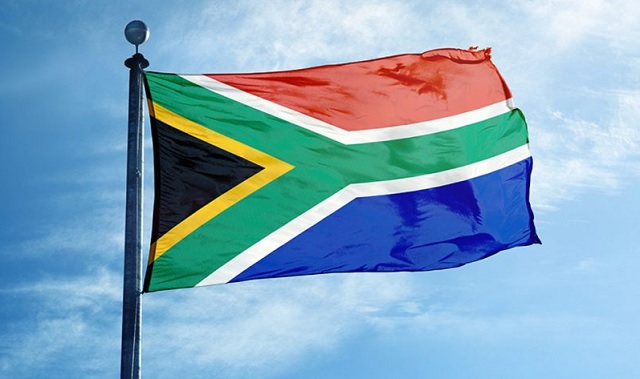
Bafana Bafana’s World Cup campaign has reopened a difficult debate about football, identity and how Africans treat one another across borders.
South Africa support at the 2026 FIFA World Cup has become a deeply emotional issue for many African football fans, with Bafana Bafana’s campaign exposing a sharp divide across the continent.
For decades, African fans have often rallied behind any team from the continent competing on football’s biggest stage. Ghana’s run in 2010 and Morocco’s historic performance in 2022 both attracted huge continental backing. This time, however, South Africa’s presence at the World Cup has sparked a more complicated reaction.
While some fans believe Bafana Bafana deserve full African backing, others say repeated xenophobic violence and hostility toward African migrants in South Africa have made it difficult to cheer for the team.
The debate intensified after South Africa lost 2-0 to Mexico in their opening match. Across social media, some users openly celebrated the defeat, arguing that football solidarity cannot ignore the real experiences of foreigners living in South Africa.
South Africa support divides African football fans
The split over South Africa support is not simply about football. It reflects years of frustration among Africans who say migrants from countries such as Malawi, Nigeria, Zimbabwe, Ghana and other parts of the continent have faced discrimination, exclusion and violence in South Africa.
Many fans say they would normally support any African team at the World Cup. However, they argue that continental unity should also be reflected in daily life, not only during international tournaments.
Some African migrants living in Johannesburg say the issue feels personal. They say their support for African teams has always come from a sense of shared pride, but the treatment of foreign nationals in South Africa has made that feeling harder to sustain.
For them, Bafana Bafana’s World Cup campaign has become a symbol of a wider question: can a country ask for African unity in sport while some Africans living within its borders feel unsafe or unwelcome?
Xenophobia concerns weaken continental goodwill
South Africa has faced several waves of anti-foreigner violence over the years, often linked to frustration over unemployment, crime and pressure on public services.
Foreign-owned businesses have at times been targeted, while migrant communities have accused vigilante groups of blaming undocumented foreigners for problems rooted in deeper economic and governance challenges.
These tensions have damaged South Africa’s image among many Africans. As a result, some fans say their decision not to support Bafana Bafana is a form of protest rather than a rejection of ordinary South African citizens.
For those critics, the World Cup has become a platform to remind the continent that solidarity must work both ways. They argue that African unity should not appear only when teams need support, but also when migrants need dignity, protection and respect.
Some fans say football should still unite Africa
Despite the anger, the boycott is far from universal. Many African supporters believe sport should remain a bridge between people, even when politics and social issues create tension.
They argue that supporting South Africa at the World Cup does not mean ignoring xenophobia. Instead, they say football can be used to encourage dialogue, reconciliation and a renewed sense of African brotherhood.
For these fans, Bafana Bafana represent more than one country. They are also one of Africa’s teams on a global stage. A strong performance by South Africa, they argue, would still bring pride to the continent.
This group believes the better approach is to condemn xenophobia clearly while still supporting African footballers who are trying to compete at the highest level.
South Africans respond to the backlash
The criticism has also triggered debate inside South Africa. Some South Africans acknowledge the pain caused by xenophobic incidents and say the country must confront the issue honestly.
Others caution against blaming all South Africans for the actions of violent groups or hostile individuals. They point out that many citizens have defended migrants, supported inclusive communities and rejected anti-foreigner attitudes.
For some South Africans, the World Cup offers a chance to promote ubuntu, the belief in shared humanity. They say the country must use the tournament not only to compete on the pitch, but also to reflect on how it treats people from other African nations.
That message has resonated in diverse communities such as Johannesburg’s Yeoville, where migrants from several African countries live and work. There, many residents say respect and loyalty must be earned through action, not assumed through geography.
Debate spreads across Kenya, Ghana, Nigeria and Zambia
The controversy over South Africa support has moved far beyond Johannesburg. Online discussions in Kenya, Ghana, Nigeria, Zambia and other countries show how strongly many Africans feel about the issue.
Some users insist that when an African team wins, the whole continent wins. Others argue that football pride cannot erase the pain of discrimination faced by fellow Africans.
The debate has turned Bafana Bafana’s World Cup campaign into more than a sporting story. It has become a test of what African solidarity really means.
World Cup moment becomes a call for reflection
South Africa’s World Cup journey will continue to attract attention, but the conversation around the team is now about more than results.
For supporters, Bafana Bafana remain an African representative deserving of continental backing. For critics, the tournament is a reminder that unity must be built on respect, safety and inclusion.
The split over South Africa support shows that football can bring people together, but it can also reveal unresolved tensions. As the World Cup unfolds, the bigger question may not only be how far South Africa can go, but whether the debate can push Africans toward a more honest conversation about solidarity across borders.