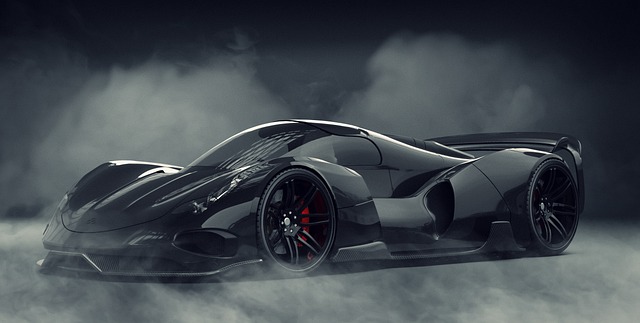
Concept cars have always captured the imagination of car lovers, designers, and technology enthusiasts. These futuristic prototypes are not just wild sketches brought to life; they are testbeds for emerging technologies, bold design experiments, and signals of where the automotive industry is heading. Automakers use concept cars to showcase innovation, gauge consumer reaction, and explore possibilities that may later influence mass-production vehicles.
As electric vehicles, autonomous driving, and AI-driven features reshape transportation, concept cars in 2026 are becoming more advanced than ever. They are smarter, greener, safer, and more connected — redefining what mobility could look like in the next decade.
What Are Concept Cars?
Concept cars, also called prototype cars or show cars, are experimental vehicles built to demonstrate new styling or technology. They are typically presented at major auto shows such as Geneva, Detroit, Tokyo, or CES. Most concept cars never reach production unchanged; however, many of their ideas eventually do.
Manufacturers develop concept vehicles for several reasons:
- Testing reactions to new designs
- Demonstrating future technology
- Branding and marketing
- Attracting investment
- Inspiring engineers and designers
Some concepts are fully functional, while others are display-only with non-working components. Regardless, they spark conversation, influence trends, and set the direction for the next generation of vehicles.
Key Features Found in Modern Concept Cars
1. Electrification and Sustainable Powertrains
Almost all concept cars today are electric or hybrid. Automakers are prioritizing:
- zero-emission propulsion
- solid-state batteries
- hydrogen fuel cells
- regenerative braking
- lightweight eco-friendly materials
Sustainability is no longer optional; it is a core pillar. Designers experiment with recyclable interiors, plant-based fabrics, and biodegradable composites to reduce environmental impact.
2. Autonomous Driving Technology
Many concept cars envision a world where vehicles drive themselves. Features often include:
- LiDAR and radar sensors
- advanced driver-assistance systems
- fully autonomous navigation modes
- AI-powered decision-making
These vehicles are designed to communicate with smart cities, traffic grids, and other cars to improve safety and traffic flow.
3. AI Integration and Smart Cockpits
Artificial intelligence is transforming the driving experience. Modern concept cars showcase:
- voice-controlled virtual assistants
- biometric recognition (fingerprint or face ID)
- emotion-sensing environments
- predictive navigation and maintenance alerts
Cabins increasingly resemble lounges rather than traditional cockpits, prioritizing comfort, entertainment, and productivity.
4. Bold Futuristic Design
Concept cars push creative boundaries with:
- sleek aerodynamic shapes
- sliding doors or gullwing doors
- panoramic glass roofs
- light-based exterior signatures
Designers are free from conventional manufacturing constraints, which allows for truly radical forms and aesthetics.
Why Concept Cars Matter
Concept vehicles are not just visual fantasies; they play an important role in automotive development. Many features once seen only in concepts are now mainstream, including:
- hybrid engines
- digital dashboards
- adaptive cruise control
- LED lighting
- panoramic sunroofs
Concept cars give us a preview of innovation before it enters everyday vehicles.
Examples of Influential Concept Cars
Even without diving into brand-specific recent releases, several iconic concept cars from previous years influenced modern automotive engineering:
- Early electric prototypes inspired today’s EV market
- Concept SUVs led to the crossover boom
- Autonomous prototypes triggered self-driving research
Some concept vehicles even go on to become production models after refinement, proving their practicality and consumer appeal.
The Role of Concept Cars in Shaping the Future
Urban Mobility
With growing urban populations, concept cars increasingly focus on compact size, shared mobility, and integration with public transit systems. Small electric pods and autonomous shuttles may soon be common in cities.
Safety Enhancements
Future concept vehicles are expected to:
- reduce accidents using AI
- monitor driver fatigue
- communicate with infrastructure
- predict hazards before they occur
The goal is to achieve accident-free transportation.
Personalized Driving Experience
AI and smart technology enable vehicles to adapt to driver habits. Concept interiors can adjust seats, temperature, lighting, driving mode, and infotainment automatically based on personal preferences.
Challenges Facing Concept Cars
While concept cars are exciting, several challenges limit their road readiness:
- extremely high production costs
- untested technologies
- strict safety regulations
- durability concerns
- consumer acceptance
Materials used in concept vehicles are often too expensive or impractical for mass manufacturing. Turning futuristic visions into affordable consumer cars requires years of testing and adaptation.
The Future of Concept Cars in a Changing Automotive Landscape
The coming years will see even more dramatic changes driven by:
- climate policies
- AI breakthroughs
- renewable energy advancements
- smart-city infrastructure
Concept cars will evolve from design studies into real-world prototypes that are closer than ever to production viability. Expect vehicles that are:
- fully autonomous
- highly efficient
- fully connected to digital ecosystems
- capable of over-the-air software upgrades
In short, tomorrow’s car may feel more like a mobile computer or smart living space than a traditional automobile.
Conclusion
Concept cars represent imagination, innovation, and ambition in the automotive industry. They allow manufacturers to experiment beyond today’s limitations and inspire the vehicles we will eventually drive. From electrification and AI integration to sustainable materials and bold designs, concept cars continue to shape the future of transport.
As technology accelerates and environmental pressures increase, concept cars in 2026 and beyond will play a crucial role in redefining mobility. They are not simply showpieces—they are roadmaps to the next era of automotive evolution.